In the words of St Augustine, “The world is a book and those who do not travel read only one page.” In a bid to read a few more pages we decided to travel to the North of the country some time ago. Below is an account of the travel and the purpose is to share the experience with friends and also motivate readers to make the effort to undertake such an expedition themselves as it is well worth the effort. Information regarding the area is easily available, courtesy internet (this great invention which still never ceases to amaze me) and so I’ll just narrate some personal impressions and post some pictures.
Pakistan had been endowed by the Almighty with all kinds of terrains, landscapes and climates. The North of the country is unique not only because five of the 14 highest independent peaks in the world are here but also because it contains places of unparalleled scenic beauty.So it was with a sense of great excitement and anticipation that we began our journey from Abbottabad to Gilgit one rainy morning in June at 4 am. Our group comprised an old school friend Dr Saad Babar and his family and my family traveling in two cars.
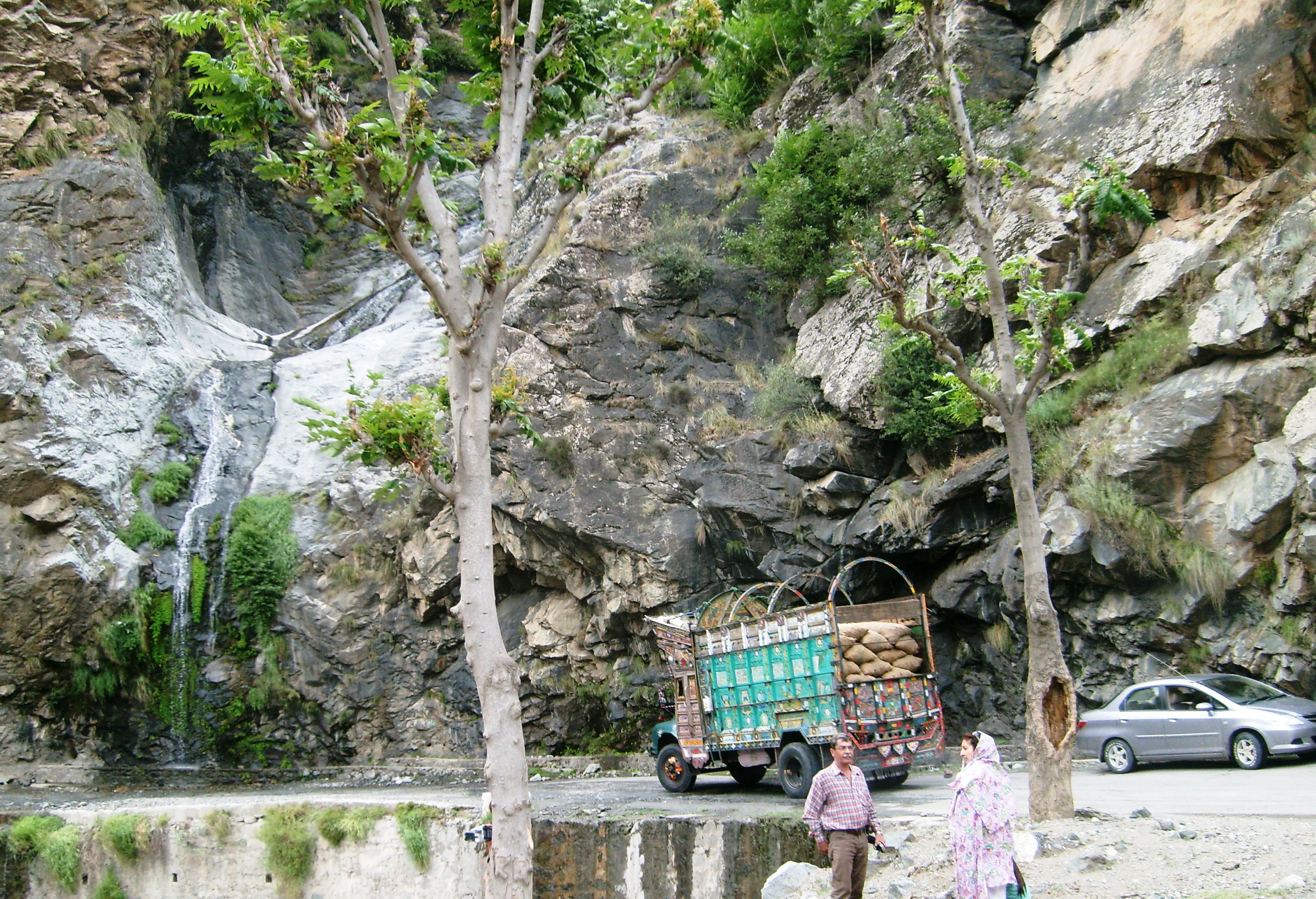
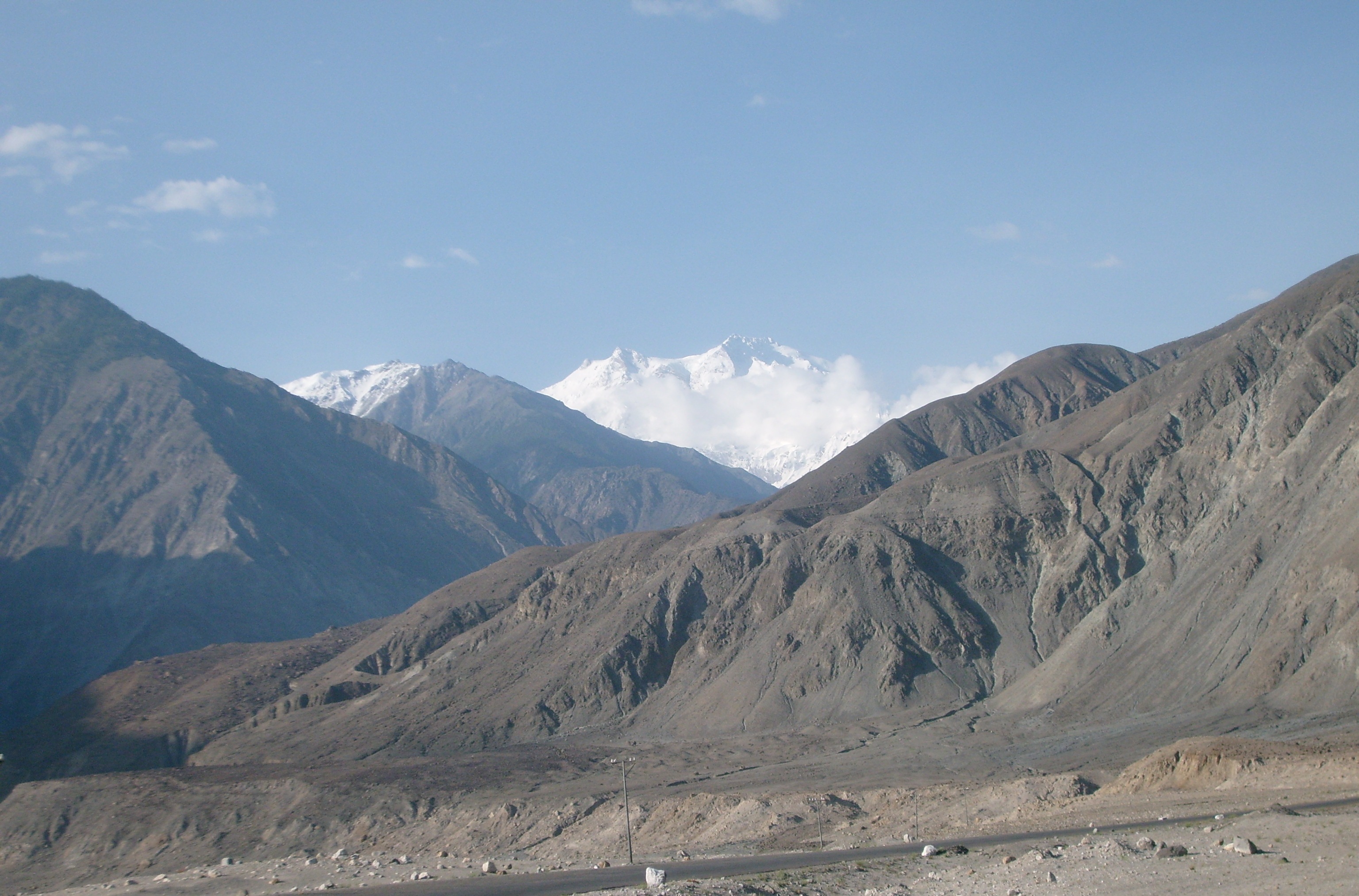
As we went along the Karakoram Highway, rain poured down and threatened to jeopardize the whole expedition. At one point, the thought of landslides and flash floods along the way forced us to entertain the idea of turning back, but dogged in our resolve we persevered. As we reached Besham, clouds cleared and a hot sun emerged. We stopped over at the PTDC Motel for refreshments. In recent years the Karakoram highway has become an adventure tourism destination. It was ranked as the 3rd best Tourist Destination in Pakistan by ‘The Guardian’.
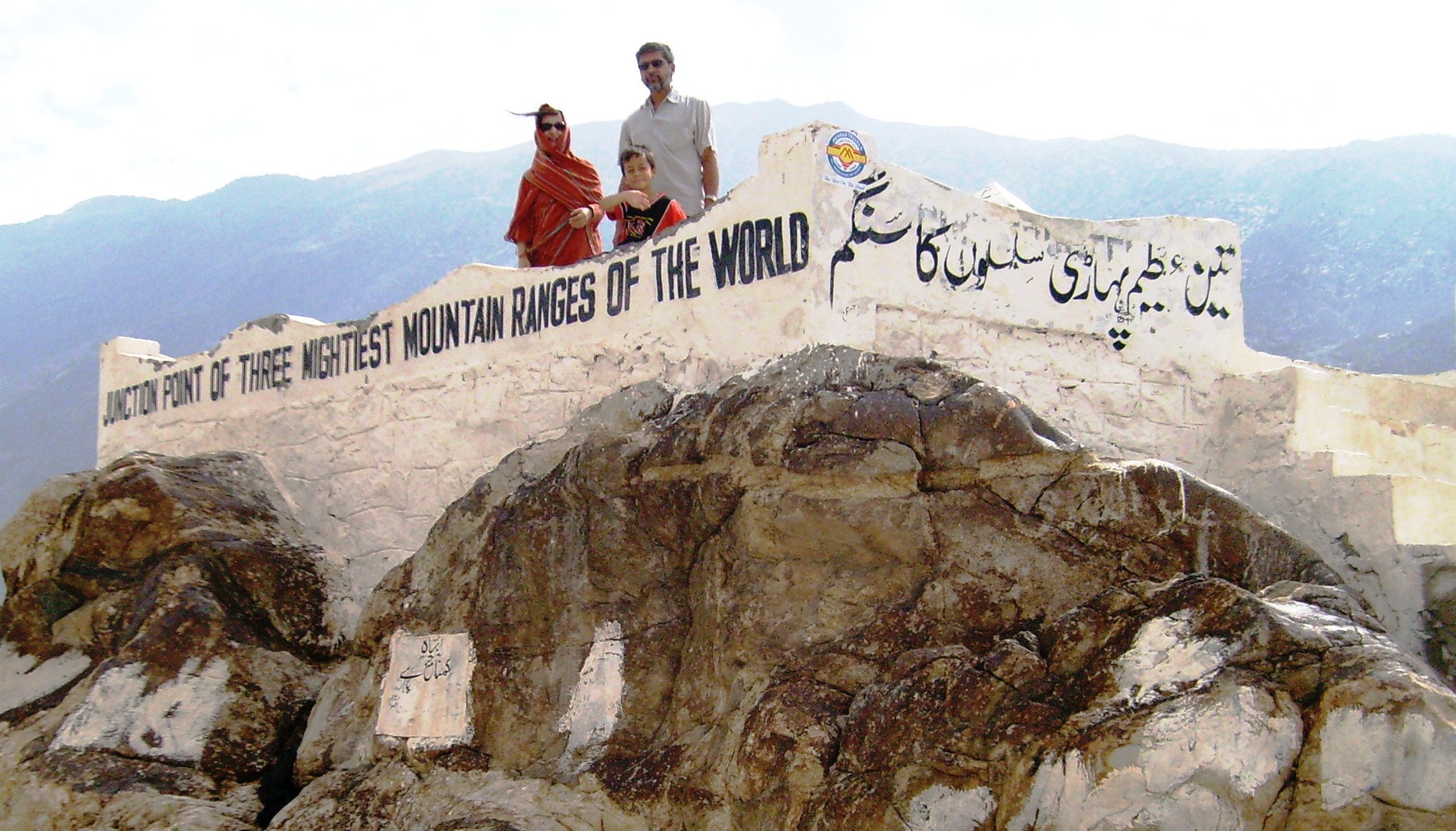
Theroad winds and snakes its way through beautiful areas with grassy, tree covered mountains and small waterfalls, the Indus keeping company till the end but as you progress further the terrain changes to barren, rocky mountains with no vegetation at all. The river changes its appearance all through the way; sometimes frothy and white, narrowly rushing along rocks and then broadening till it is a calm expanse of water.
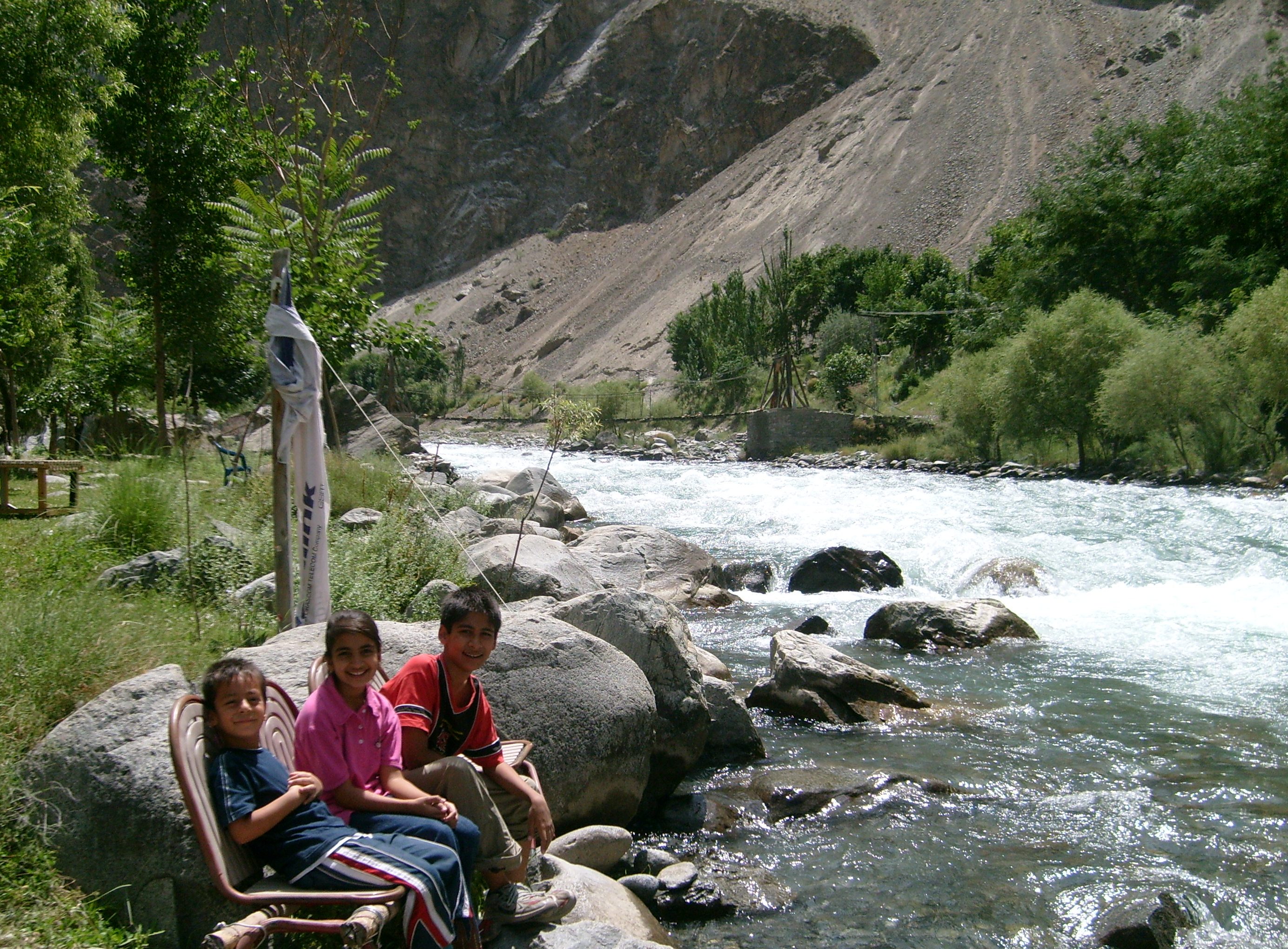 Kargah.
The KKH has patches which have sudden landslides, which renders the road impassable and the traffic on both sides has to wait till the FWO clears it. At these places bulldozers and cranes etc are permanently deployed and the FWO does a pretty good job of keeping the road clear.
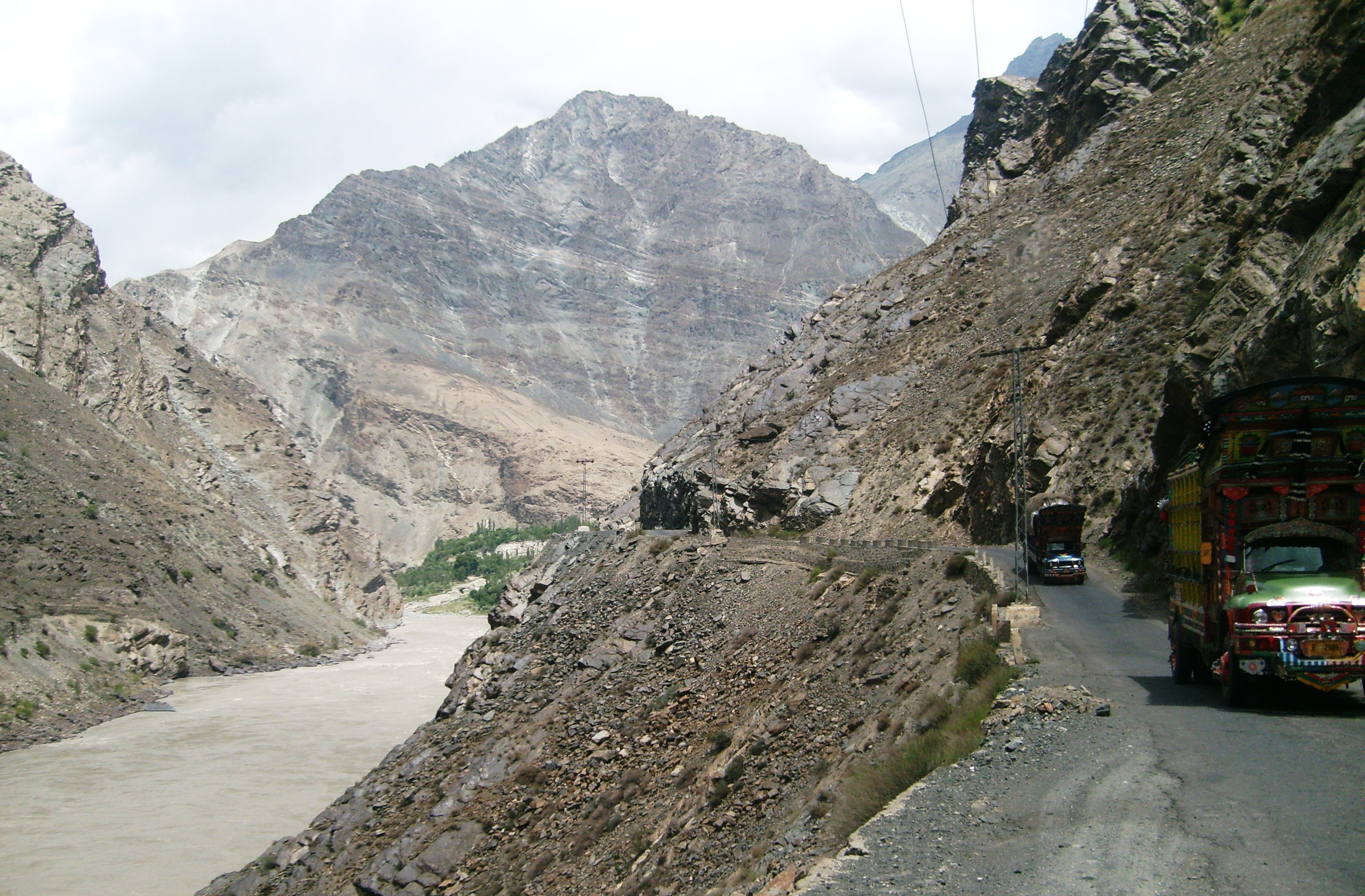 KKH. At some places the road is just wide enough for one vehicle.
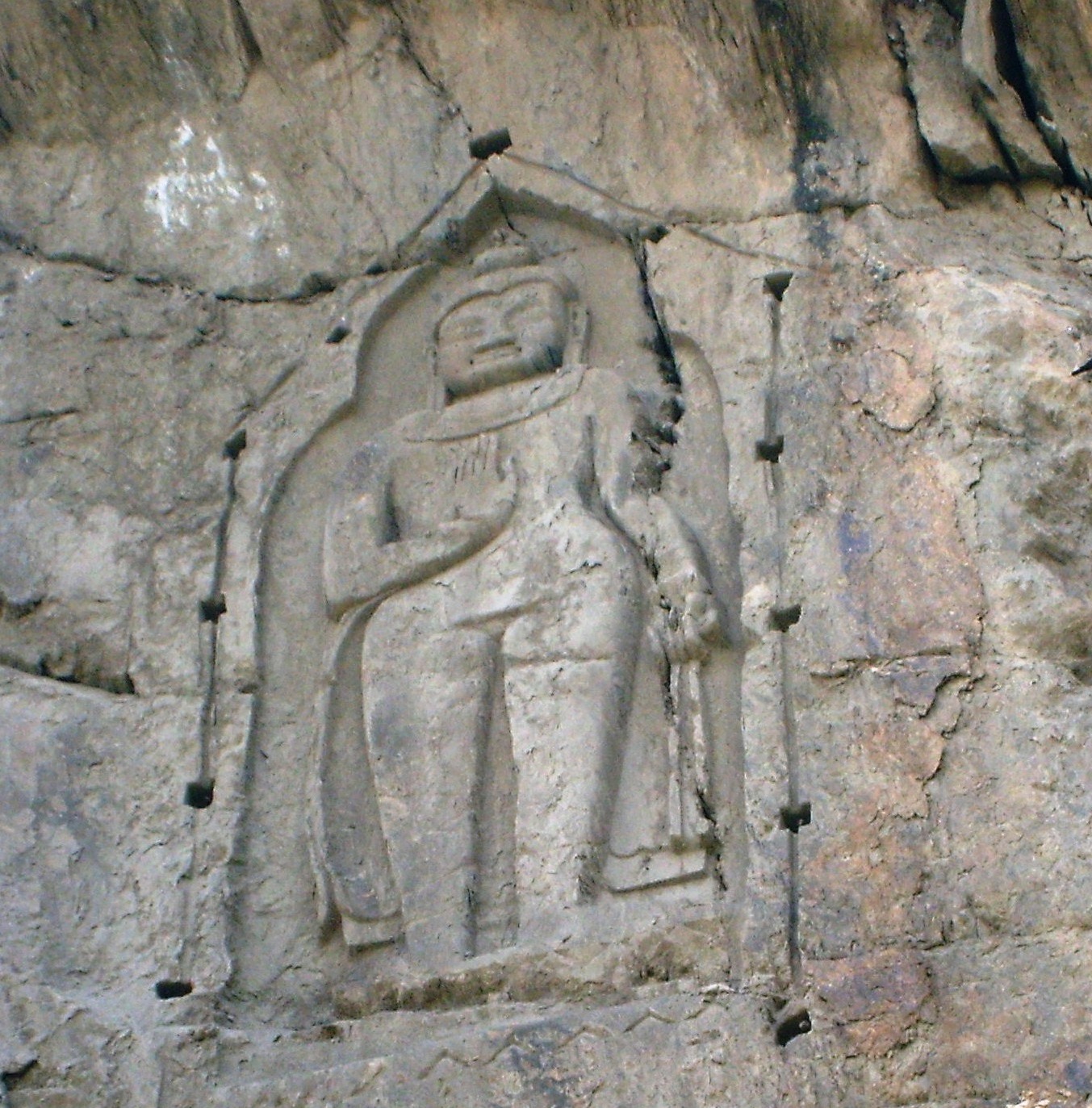
My 2008 Honda City proved to be worthy of the trip and traversing the districts Besham, Kohistan and Chilas, we reached Gilgit at about 10 pm after a 16 hour journey. Our host in Gilgit was Zaheer Ahmed Jan, an old friend, who was waiting for us at the city limits and escorted us to his home.We spent the next day in Gilgit and visited a number of places. 10 kms from the town of Gilgit, at Kargah, is a Buddha face carved into a stone cliff. The Buddha’s face is carved on a vertical cliff at quite a height. It’s a unique sight. Gilgit is full of fairy tales and folklore. Local people also contend that there is a jinn who has been confined to that cliff by studs as can be seen in the picture.
We had lunch by the Kargah Nala, an ice cold, glacial, fast moving stream. Trout and Biryani followed by local cherries was a treat to remember. Also visited a trout farm nearby.
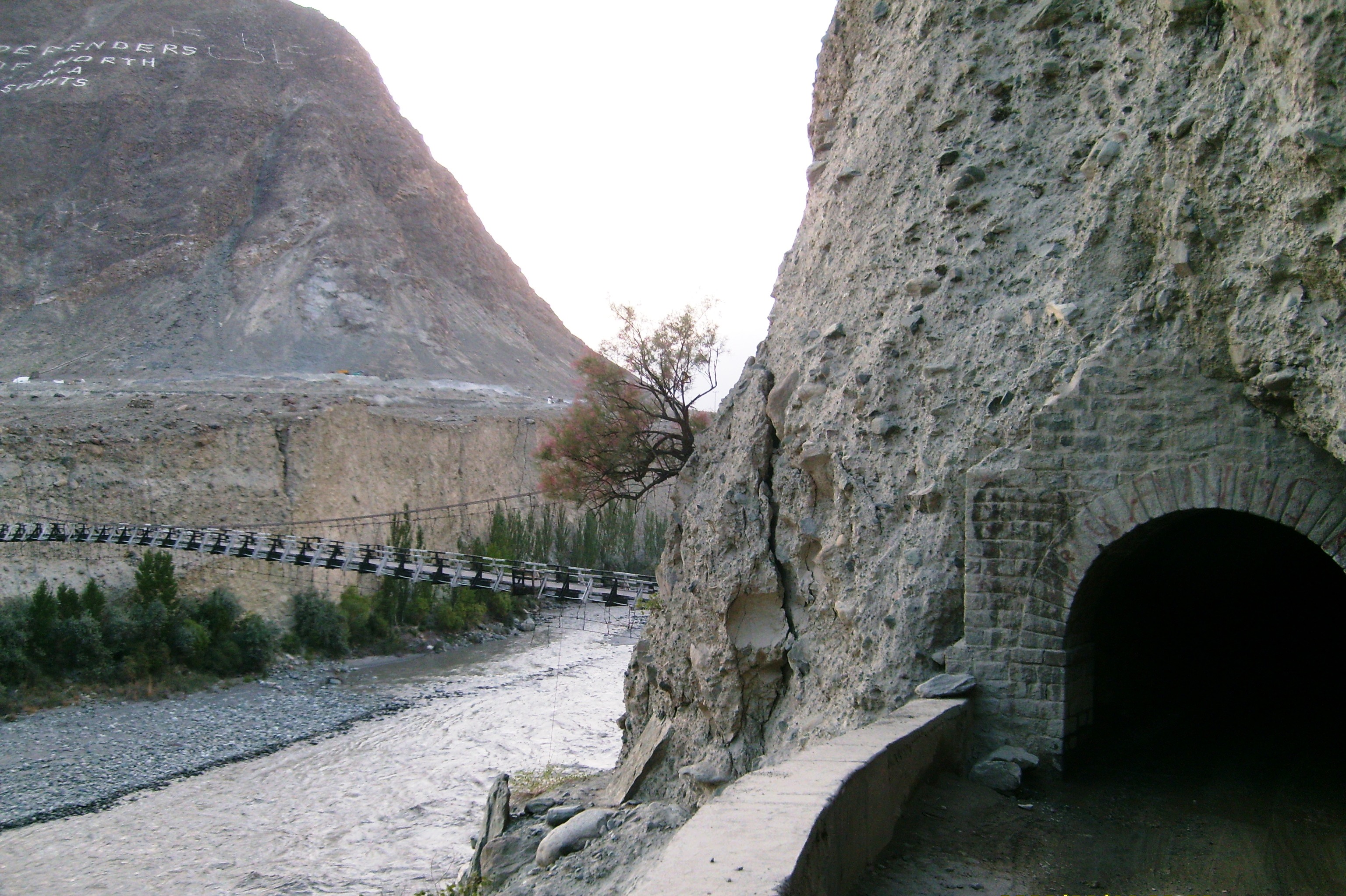
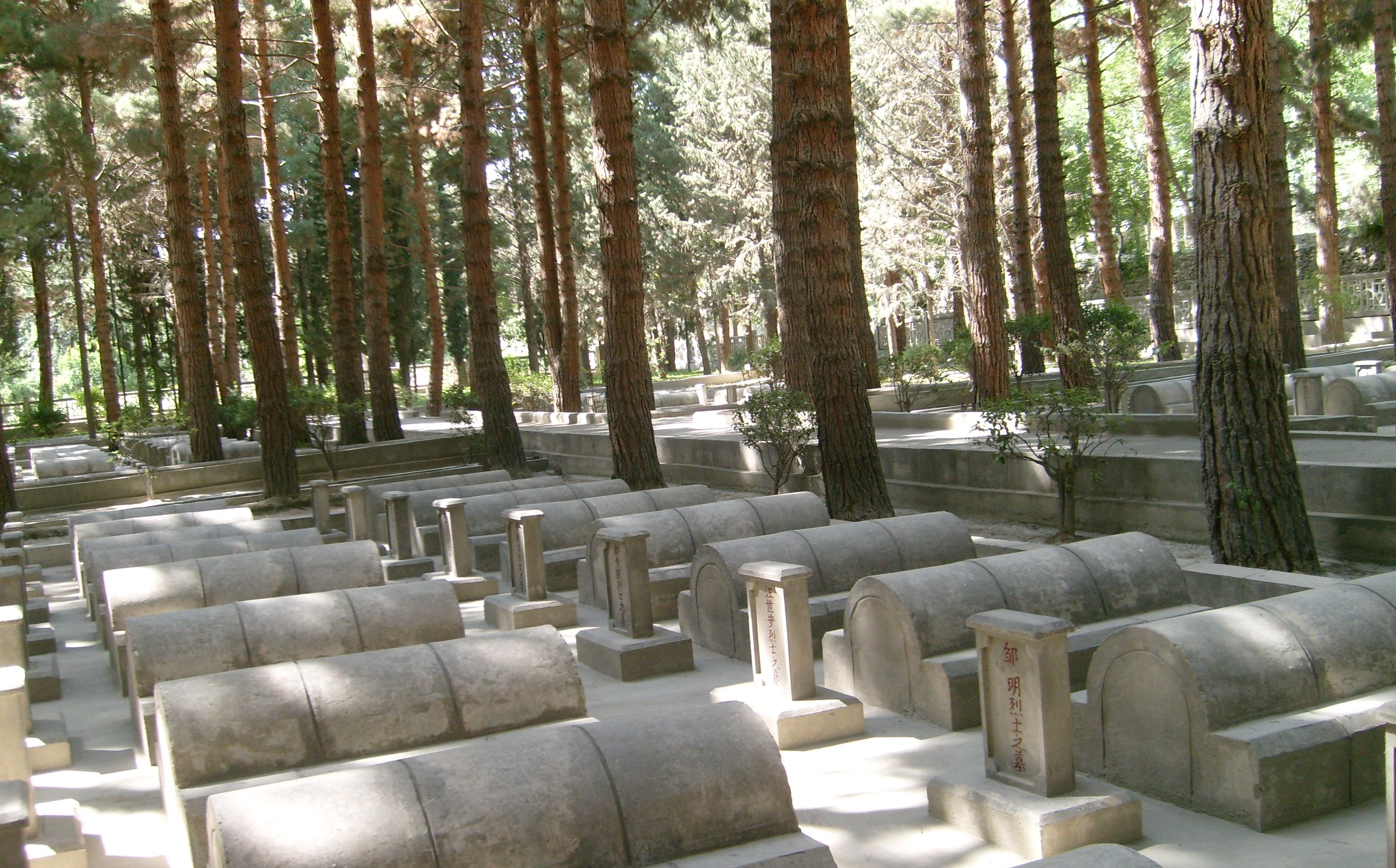
Crossing the Daynor tunnel and bridge we visited the ‘Chinese Graveyard’. It’s a well kept graveyard where bodies of Chinese engineers and construction workers, who died while making KKH, were interred. The caretaker, an old local gentlemen regaled us with his story of how the Chinese Ambassador on a visit to the graveyard, and impressed with his devotion to duty, invited him over to China for a two week state visit.
In the evening we were invited for tea at Zaheer’s friend’s residence. The house nestled in lush green orchards presented a picturesque scene with its fruit trees, domestic animals and vegetable garden. We devoured apricots, sweet as honey, the likes of which we had never tasted before. Our hosts were Aga Khanis and extremely hospitable and pleasant people.
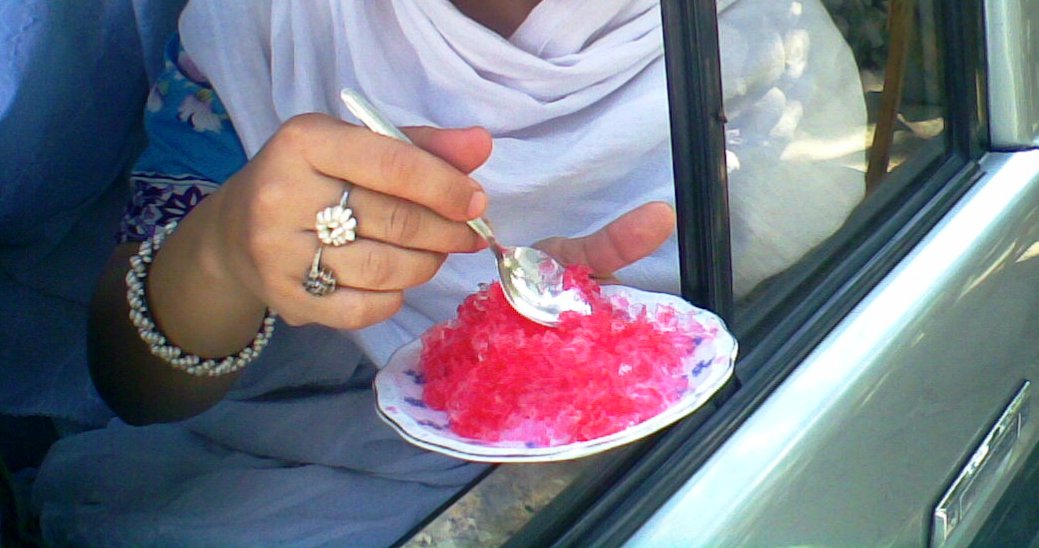
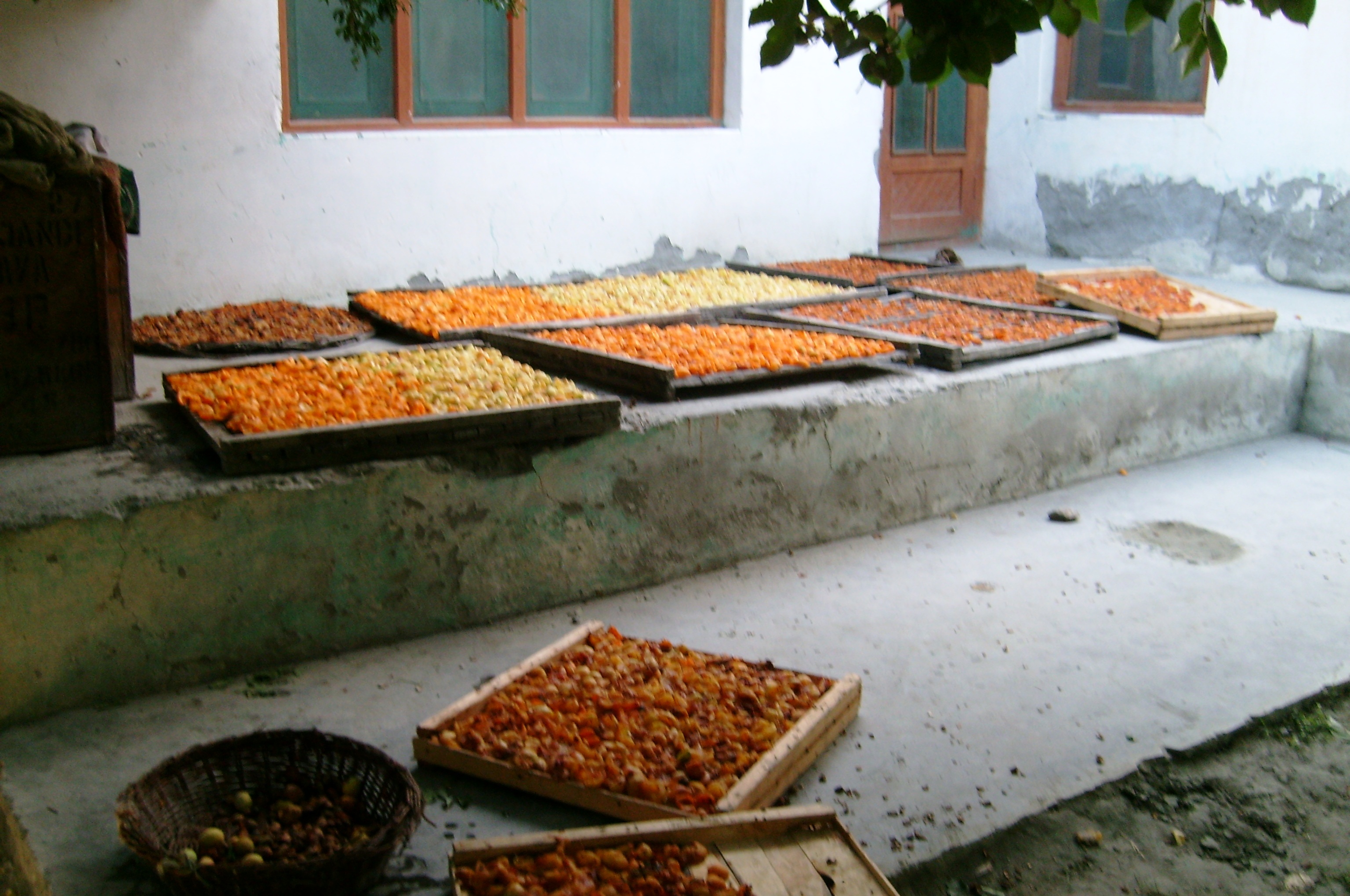
We can never forget their warmth and cordiality. We visited the local markets late in the evening. The shops were full of Chinese stuff; decoration items, blankets, crockery, clothes etc. The prices were very reasonable and the ladies proceeded to do what they do best!
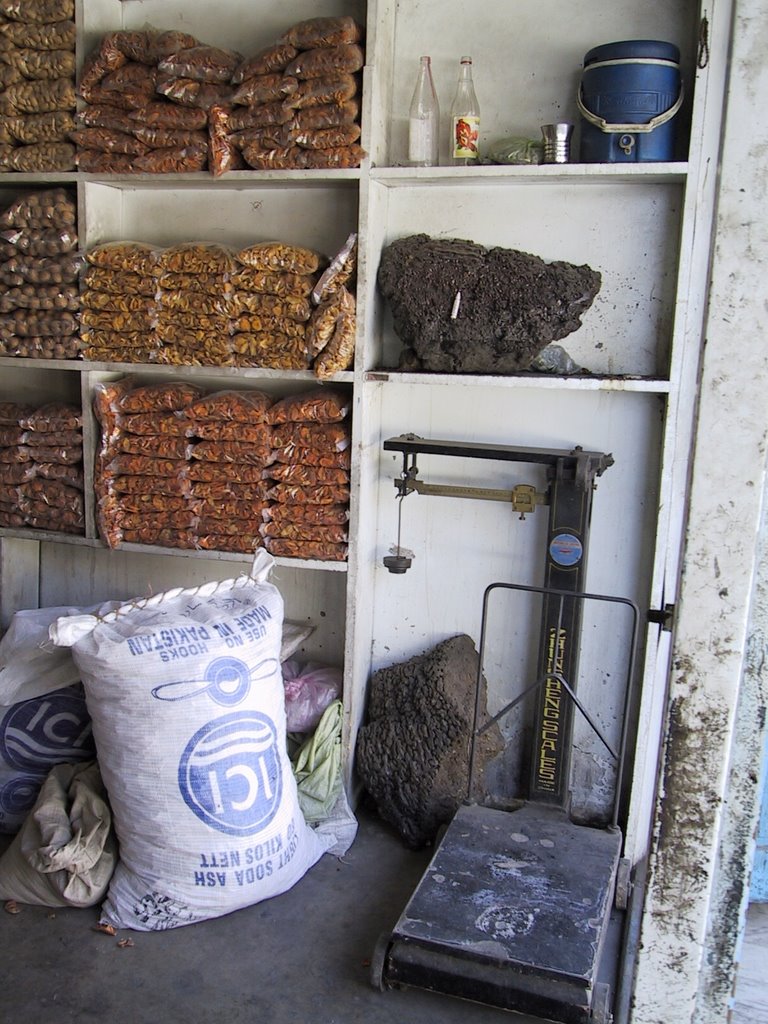
Gilgit is also famous for its ‘Salajeet’, a compound that is attributed to have magical capabilities. It is considered by the natives of Himalayan Range Indian Yogis to be a gift from God because it said to be an elixir of longevity… a veritable fountain of youth and a cure for many ailments. Salajeet comes from the compost formed by decaying vegetation and the minerals they contain. There are a lot of local myths attached to it, one involving an eagle and its toilet habits! It has been forming high in the mountains of Pakistan for thousands of years in fissures and cracks in the rocky landscape. The pitch like substance freezes solid each winter and then bakes in the hot summer sun until it oozes its way to the surface as a dark red resin. I did buy some but have not used it as to doubts about its purity / authenticity.
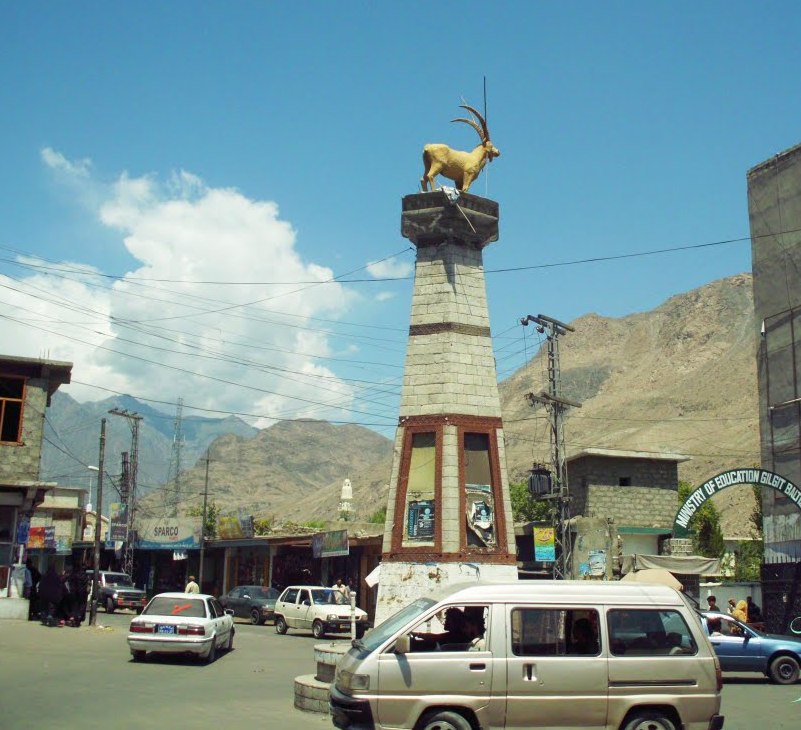
The plan was to leave for Deosai plains the next day. We left our car at Zaheer’s and bundled into his Prado. Saad hired a four wheel drive jeep and after driving along breathtaking scenes and hairpin bends we arrived at Astore near about midday.
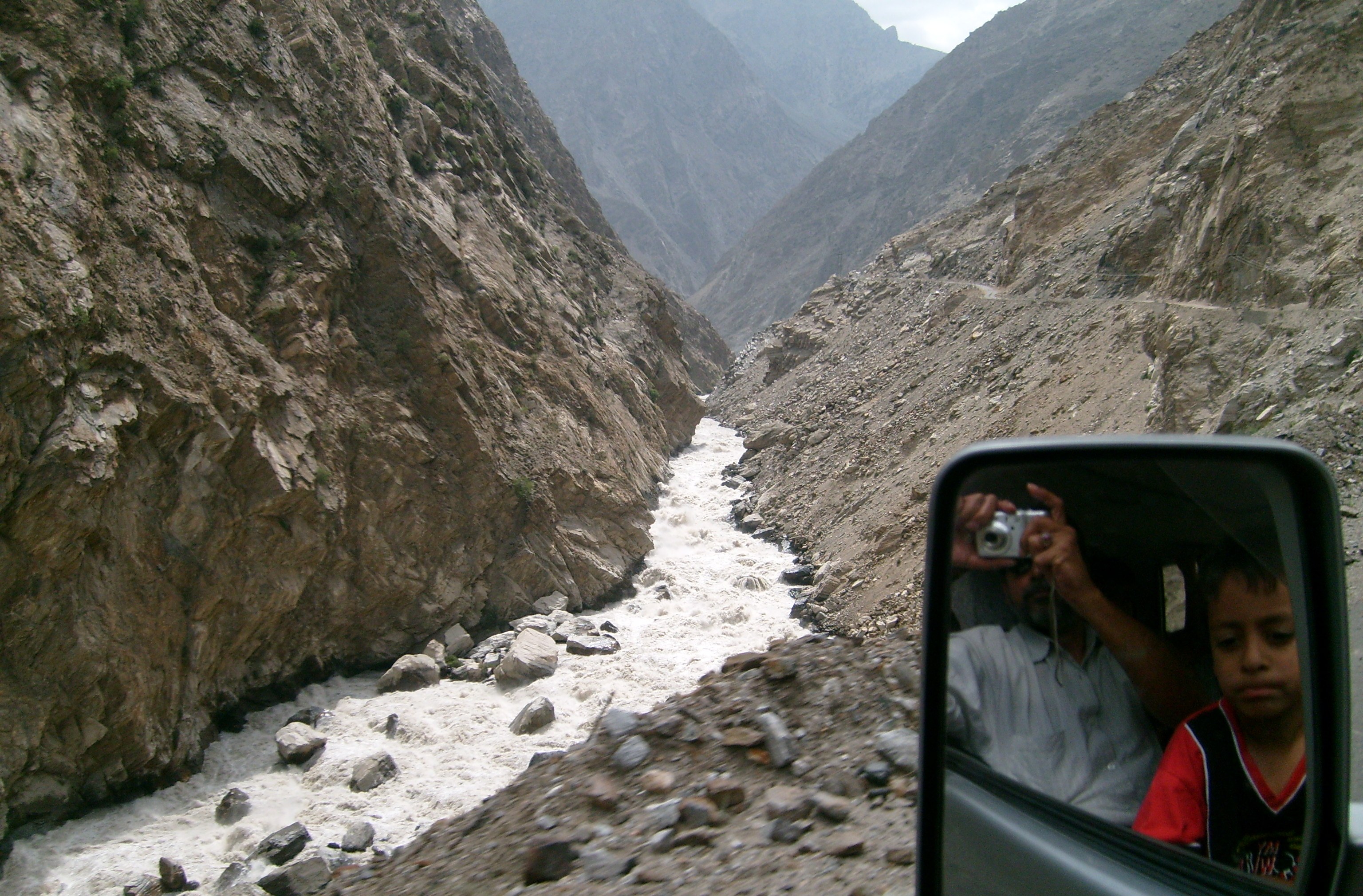
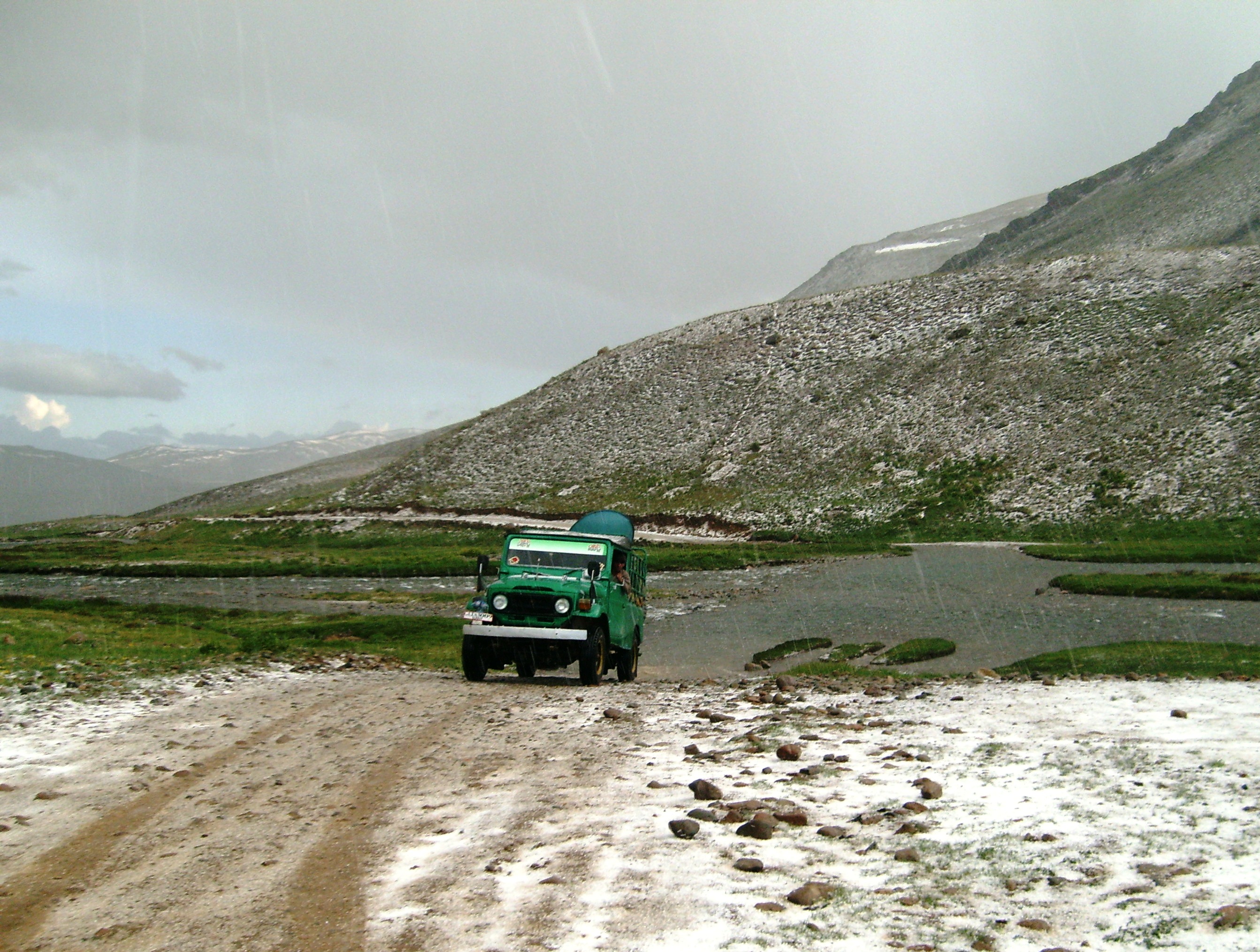
Bought rotis and chicken from here and then moved to Rama. The landscape changes from a barren rocky terrain to green hills and thick foliage as you approach Rama.
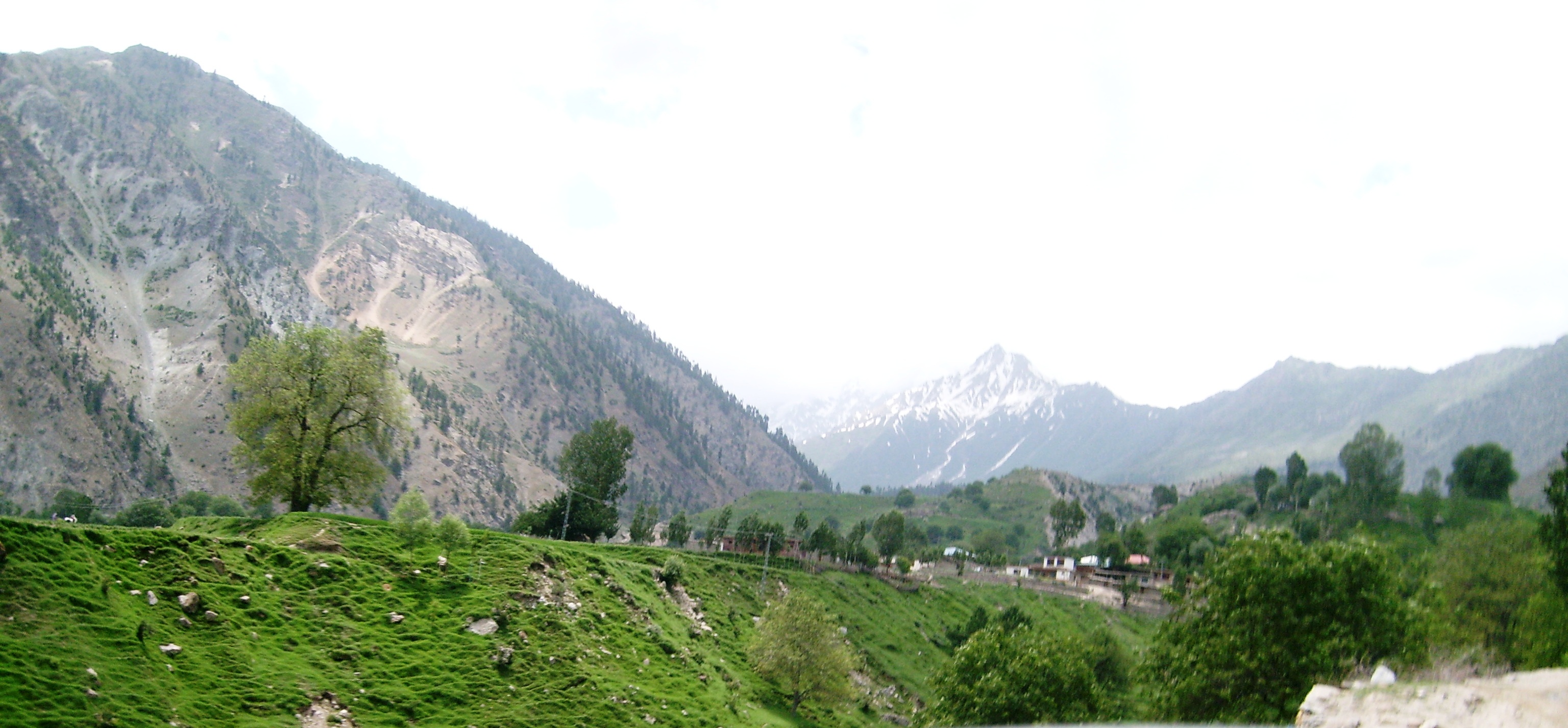
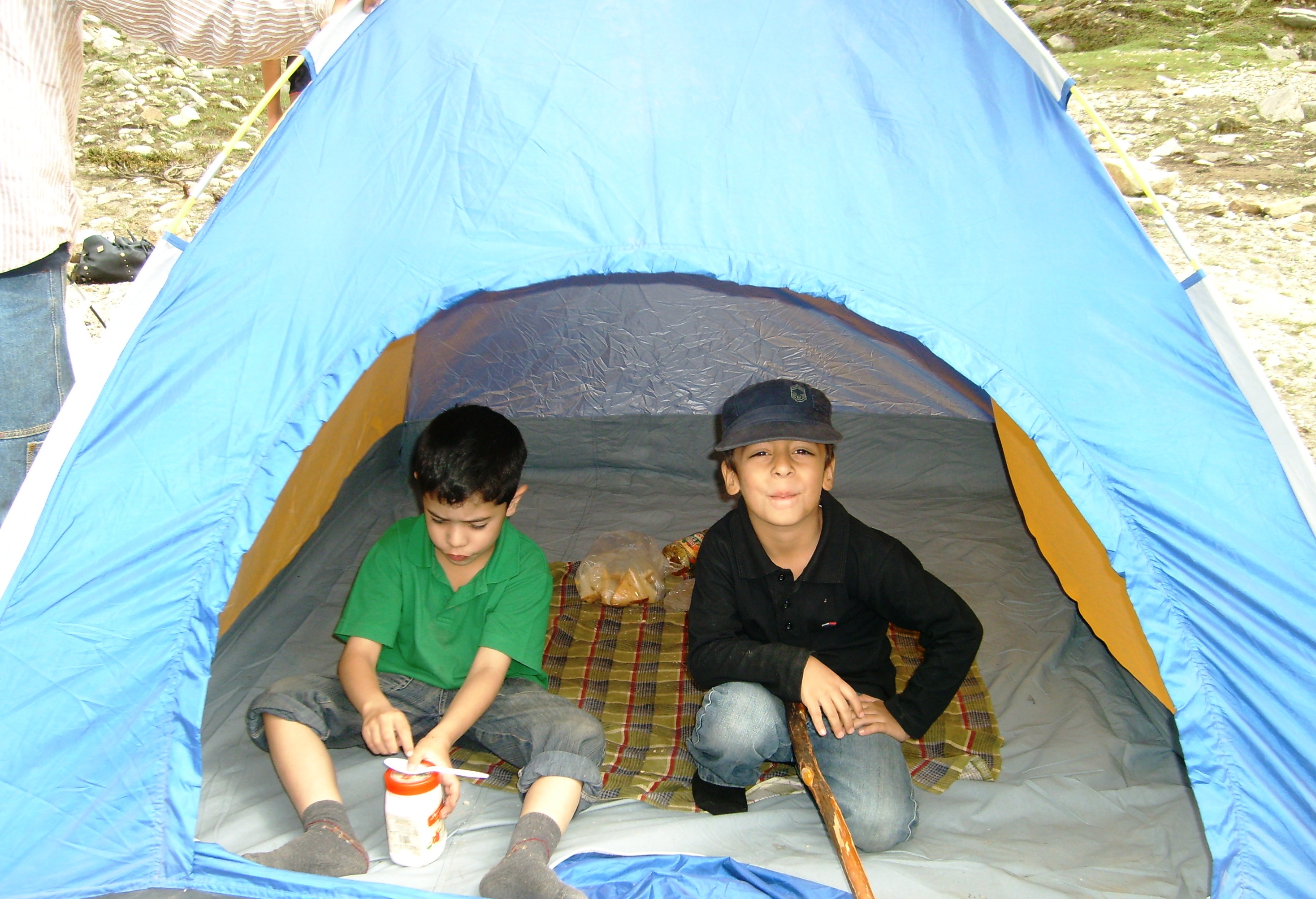
A quaint, picturesque old wood cottage serves as a rest house here and we gratefully left our vehicles and put our luggage in the rooms. The cook and caretaker at the cottage were colourful personalities and had a lot of gossip and fairy tales to share with us. The setting of the cottage is idyllic and the children ventured forth traversing the green meadows. They made a barrage in the clear stream flowing in the centre of the meadows and made a ‘raft’ to sail on it. When the raft got stuck, the intrepid boys waded in the freezing water to rescue it.
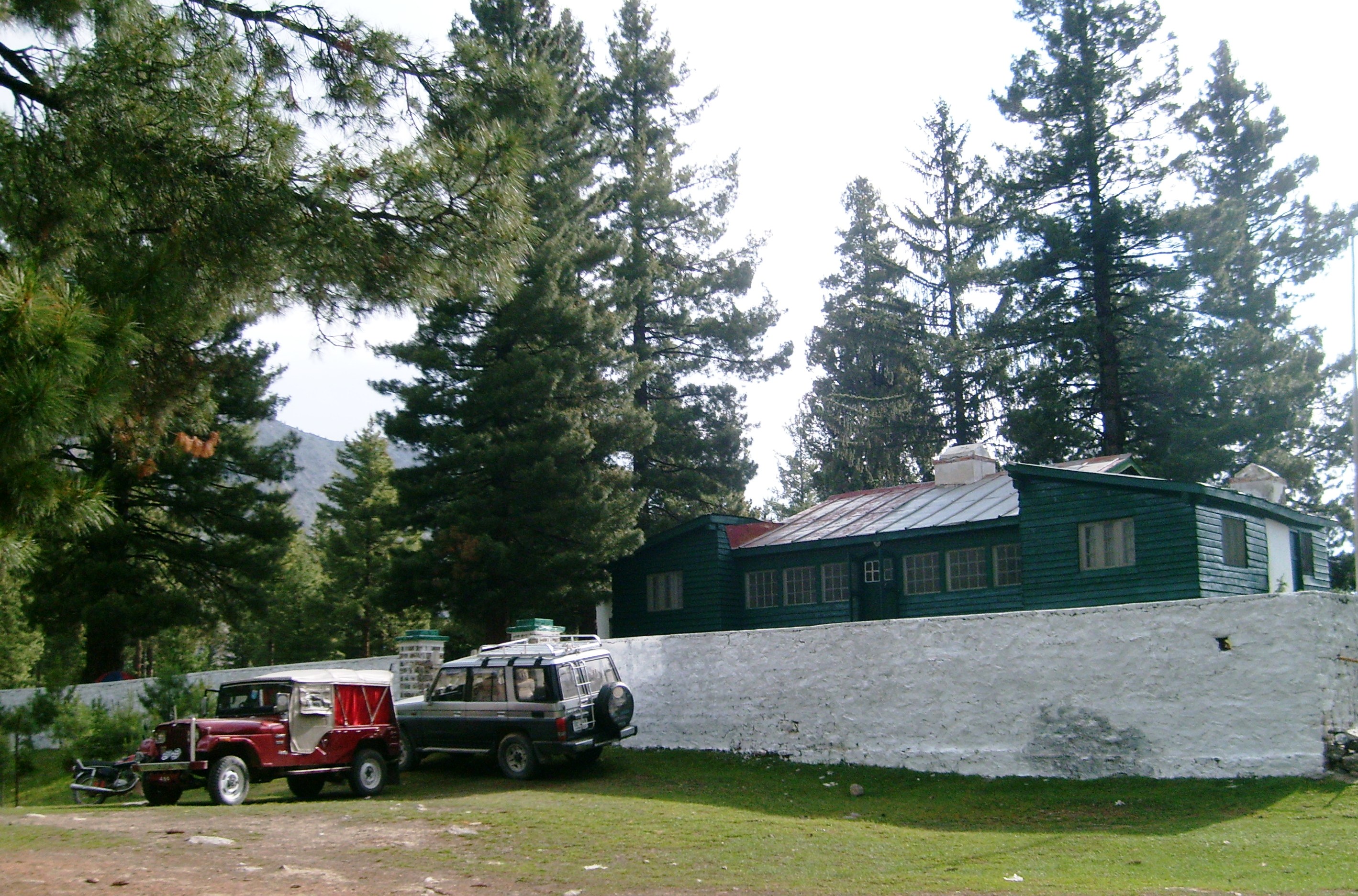
The next day we were to trek to Rama Lake. Rama Valley is thickly forested with huge pine, cedar, fir, paper and juniper trees. The uphill trek to the lake took about 5 hours. Rama Lake is nestled among snow covered peaks and glaciers. We set up camp here and made tea after collecting firewood.
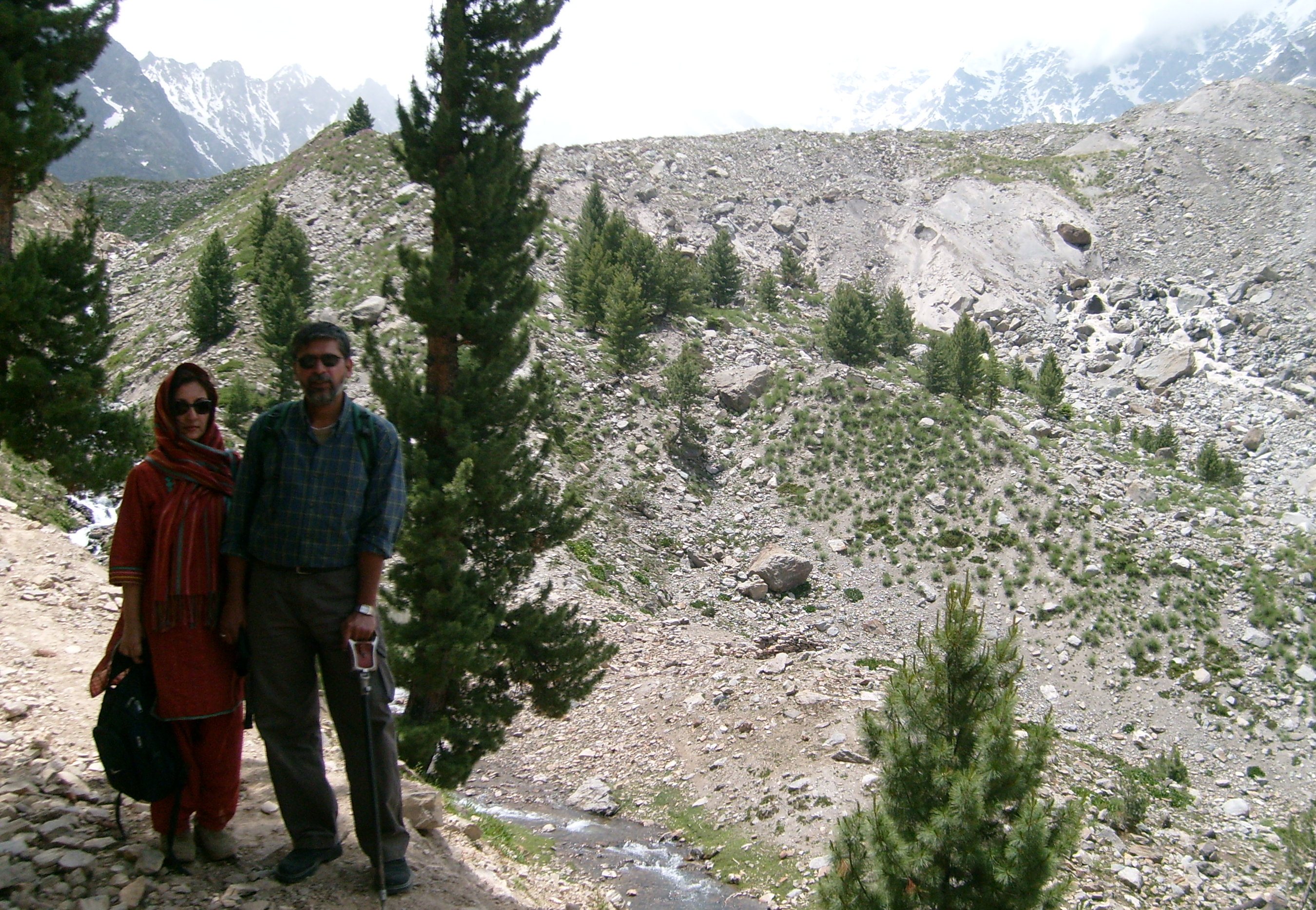
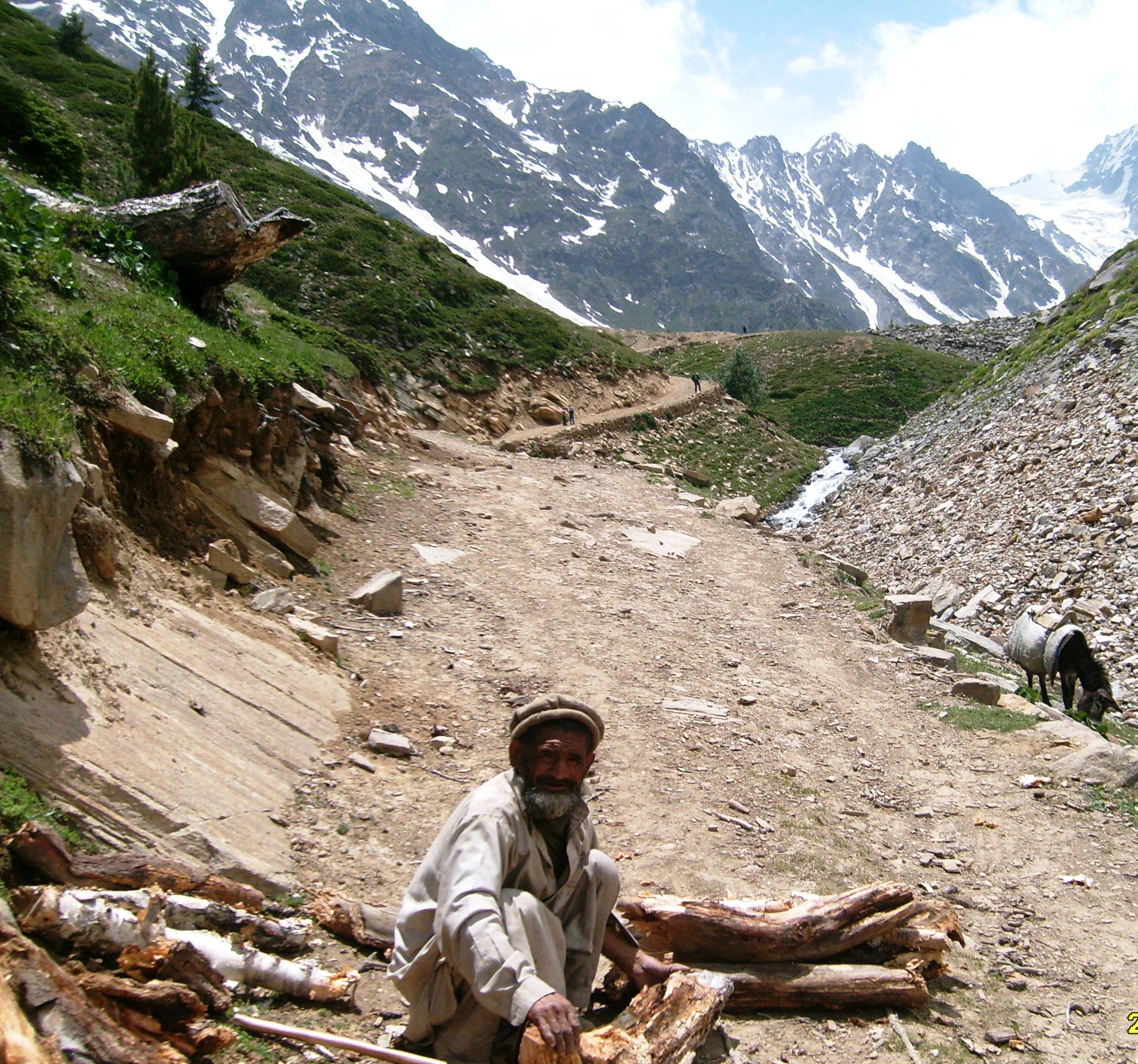
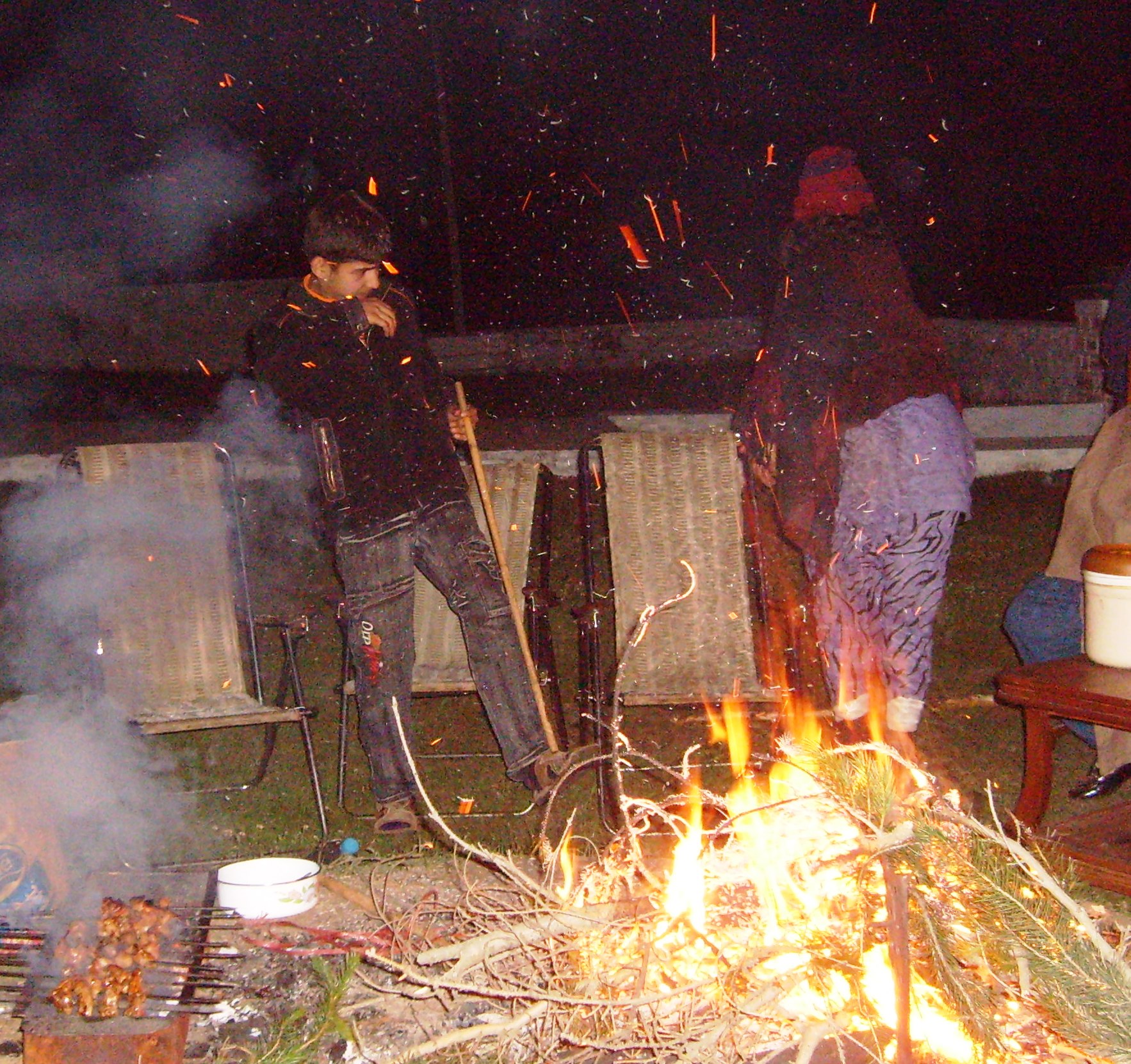
The weather in these areas is unpredictable to say the least. Rain and shine follow one another without any warning. We reached our cottage late in the evening just in time for the barbecue. We had marinated our chicken tikkas and the kids gathered firewood and dried pine cones and needles. It was indeed a most enjoyable and tasty evening. We were intrigued to go through the guest book with entries from a number of well known people, including Imran Khan and Jemima Goldsmith, then not a Khan, as the caretaker told us in a conspiratorial whisper.
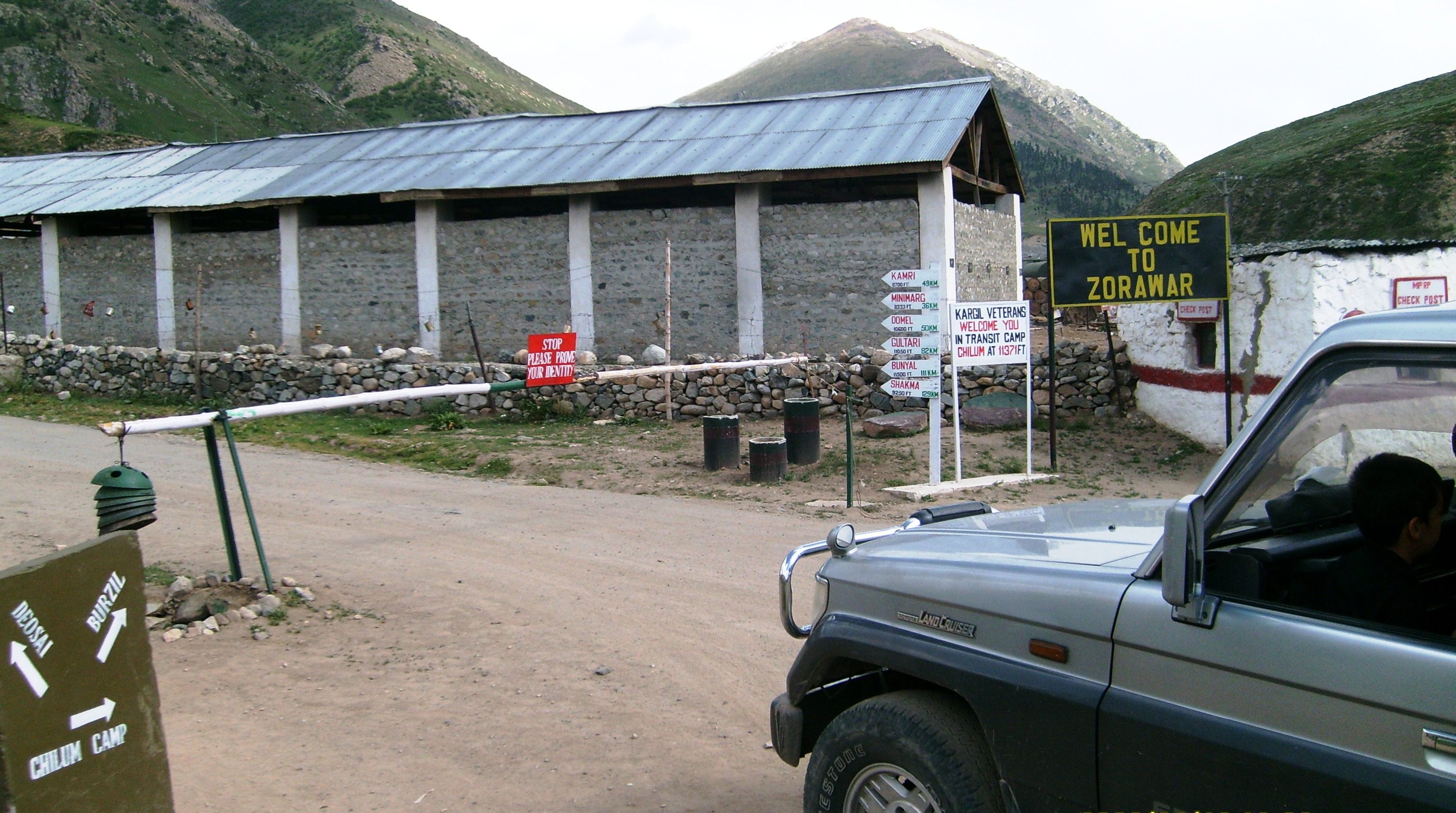
Next morning, Saad and family parted to return to Gilgit. The rest of us moved onwards to Deosai. The Deosai National Park is located in the Sakardu and Astore districts on the Deosai Plains of the greater Kashmir . Deosai means the “Land of Giants”. The beauty of Himalayas is visible everywhere around Deosai.
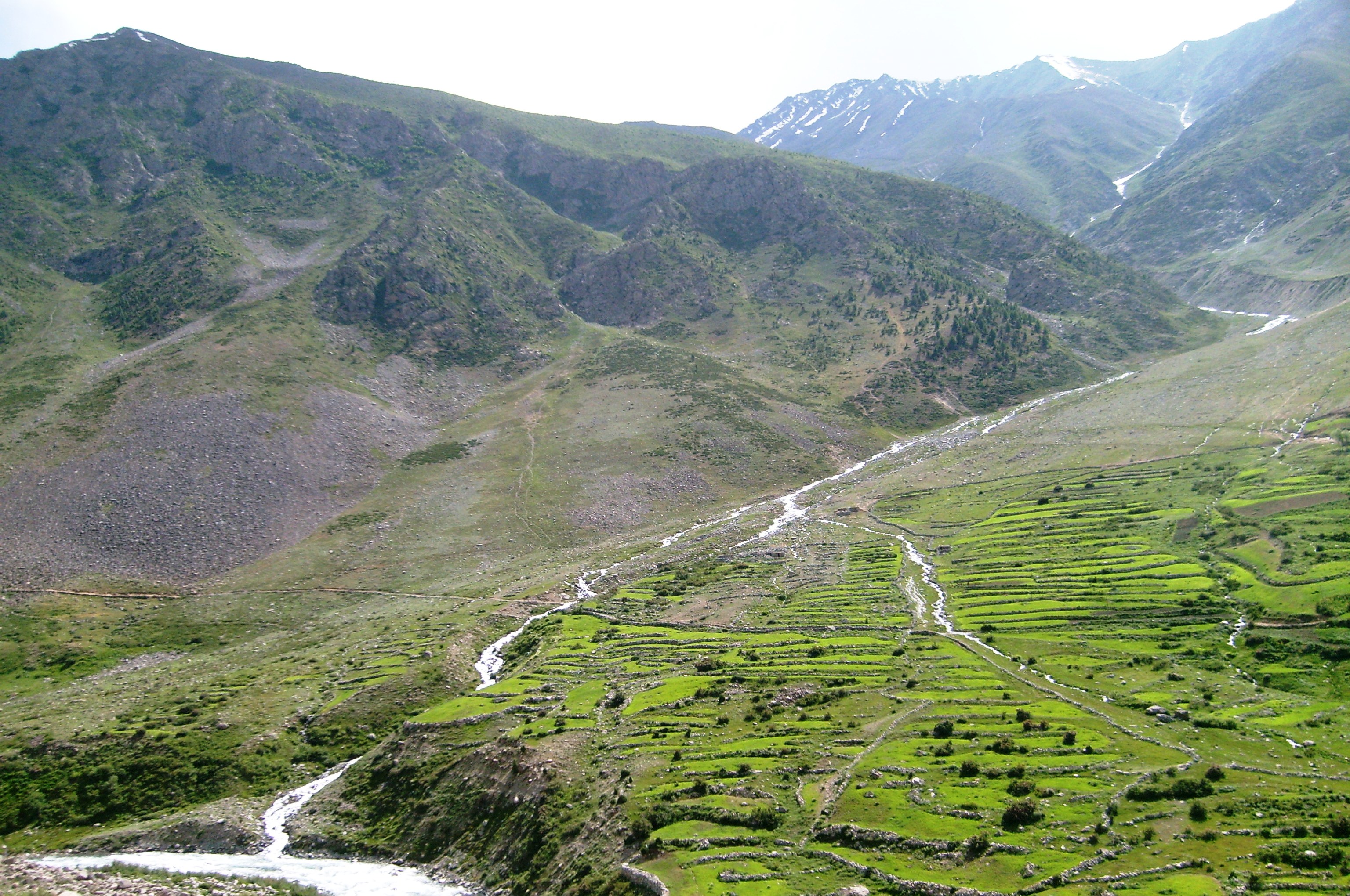
Deosai National Park is at an average elevation of 4,114 metres (13,497 ft) above the sea level, making the Deosai Plains the second highest plateau in the world, after the adjacent Tibetan Plateau. The park protects an area of 3,000 square kilometres. It is well known for its rich flora and fauna and in the Spring season it is covered by wildflowersand a wide variety of butterflies.
The undulating meadows here have no trees or shrubs and the area is snow covered for most part of the year. The most enchanting feature of the Deosai Plateau is its huge field of alpine flowers, the scale of which is largest in the Karakoram and the Western Himalayas.
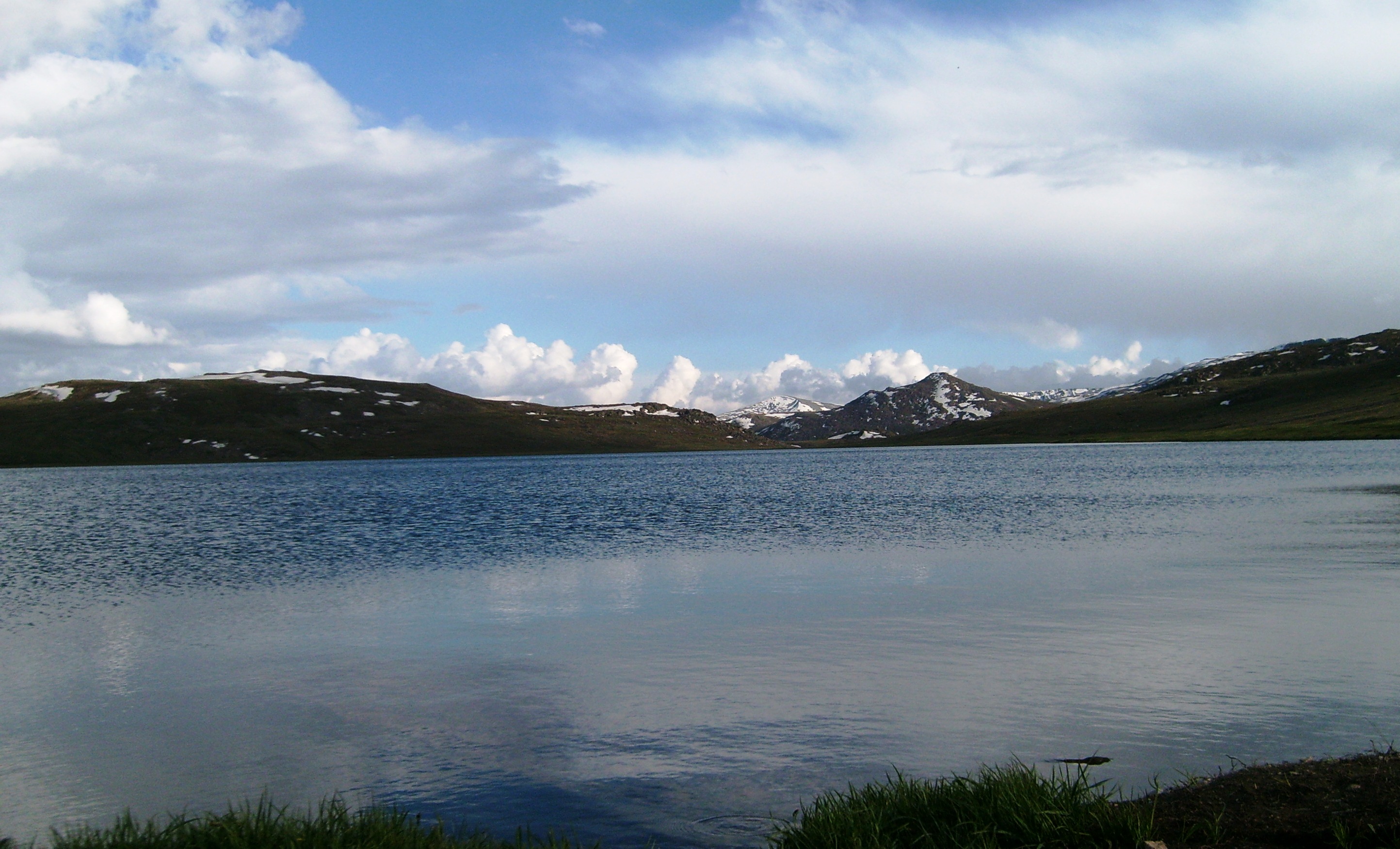
We stopped at Sheosar Lake on the way and by early evening reached Bara Paani, where we set up camp. It was middle of June but it was excruciatingly cold. We set up our kitchen and the ladies cooked ‘Aloo ki bhujia. Although the Astori Aloos had defied the ladies’ attempt to make them tender, the hot food was greatly appreciated by all but the night that followed is a night to remember.
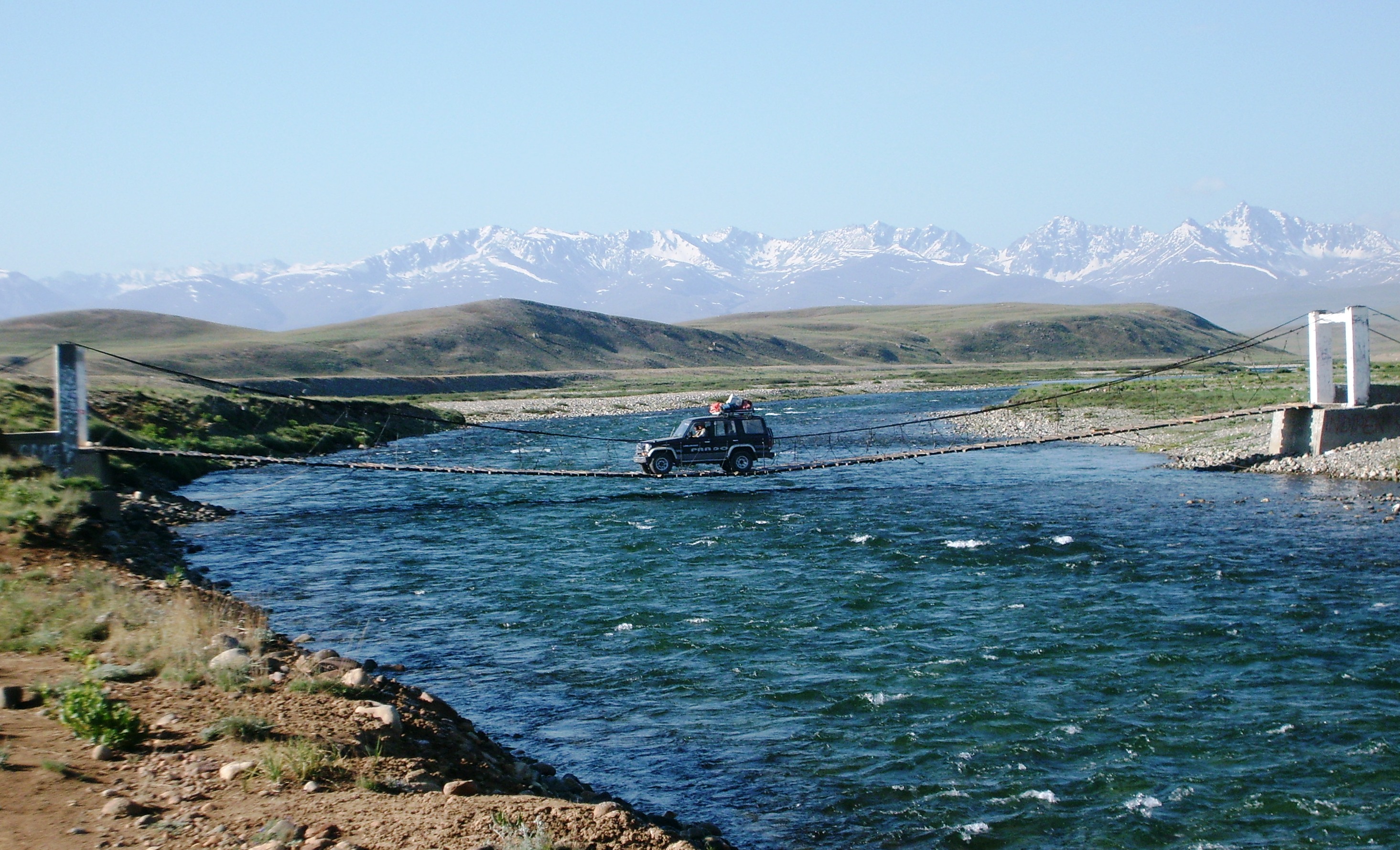
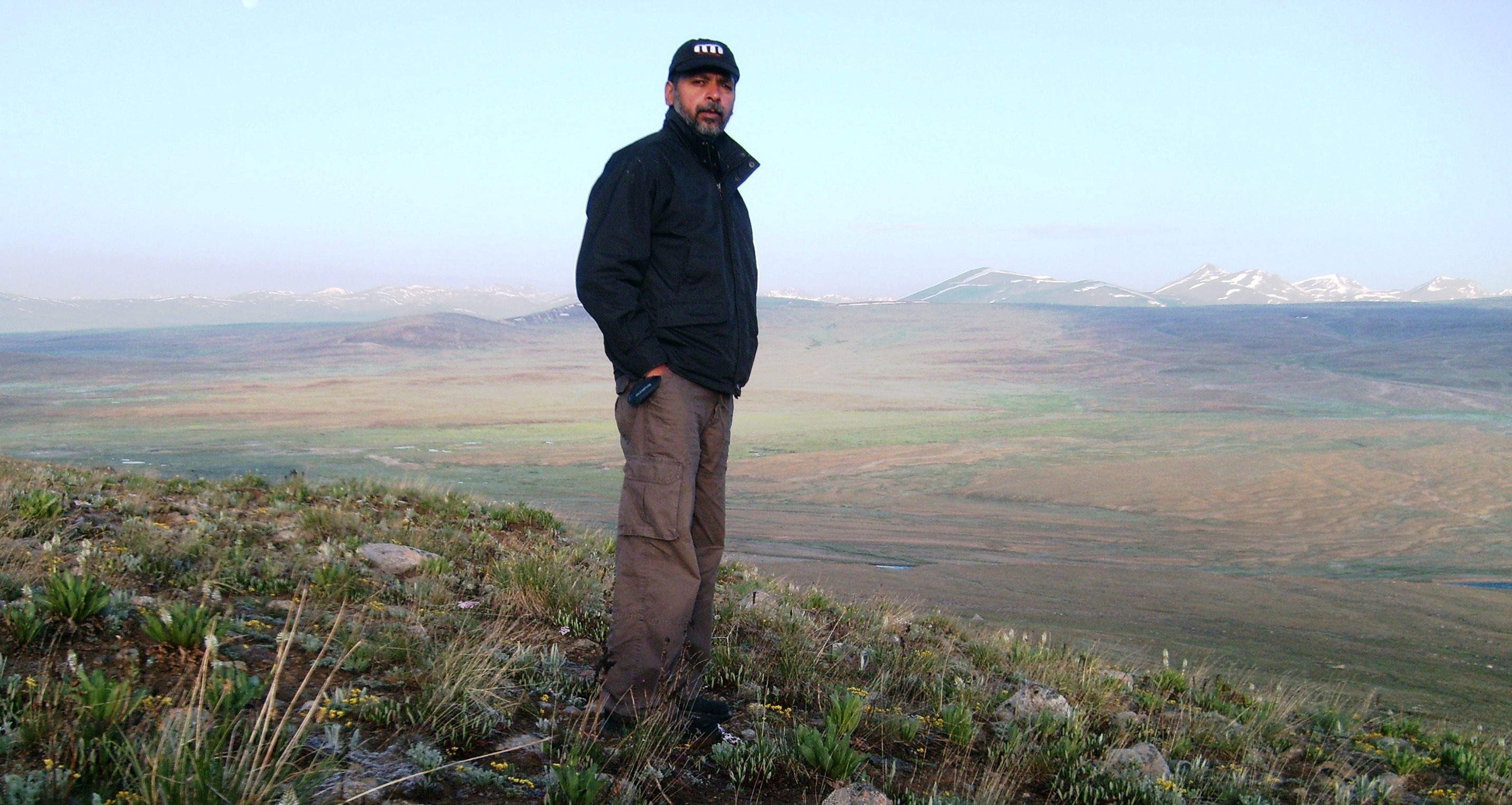
My family and I had a tent to ourselves. We had underestimated the cold. It was much less than freezing point and the night was a nightmare. The water drops leaking from the rather thin tent roof would freeze solid within no time. I had surrendered my blanket to my youngest and the sleeping bag did little to keep away the cold. I left the tent at sunrise. It was a bright, crisp morning. The sunlight seemed warm and inviting but too far away at the top of the plateau. I shook the frost out of my shoes and started climbing the plateau. I have yet to experience a similar scene of natural beauty, wonder and peace.
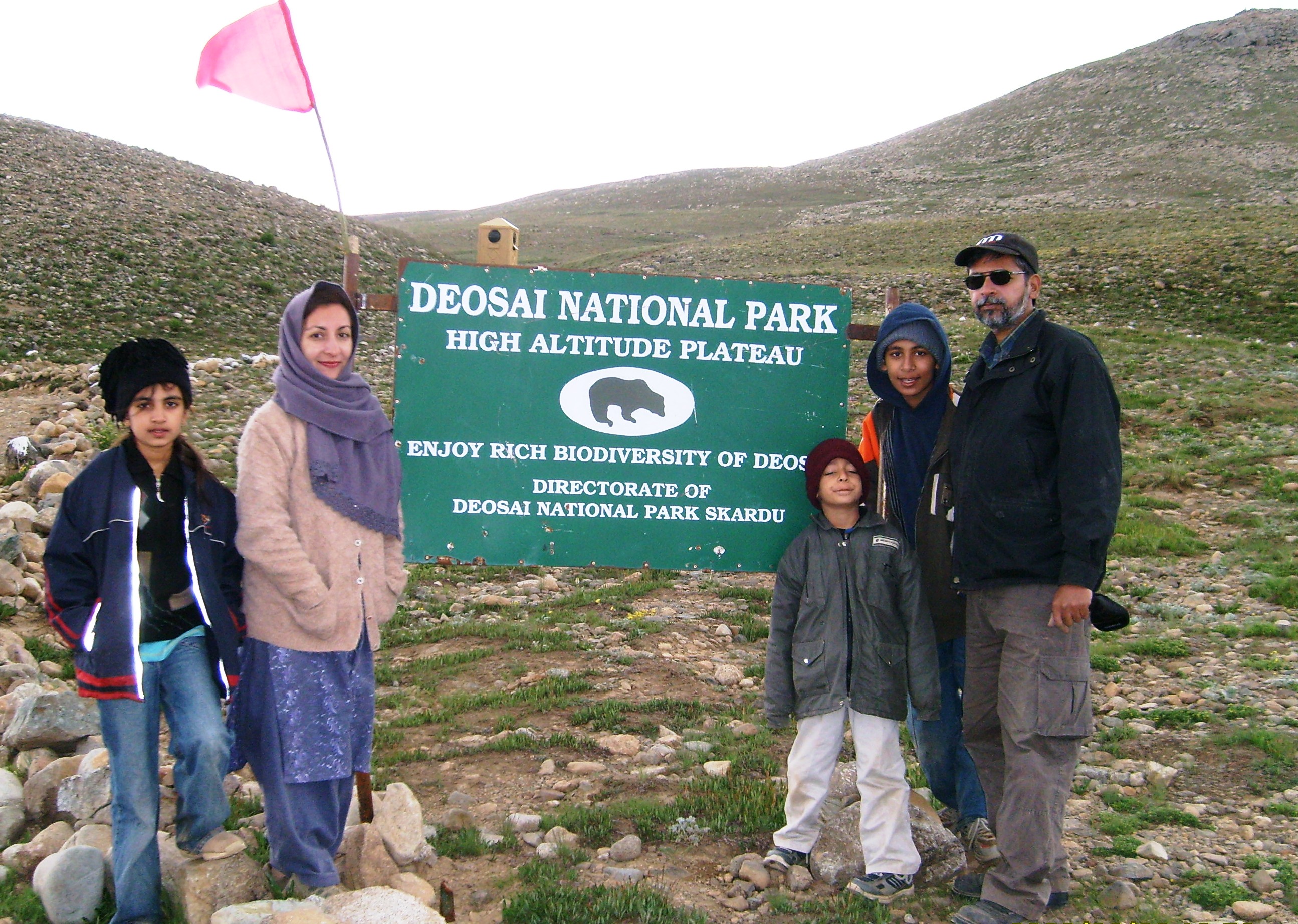
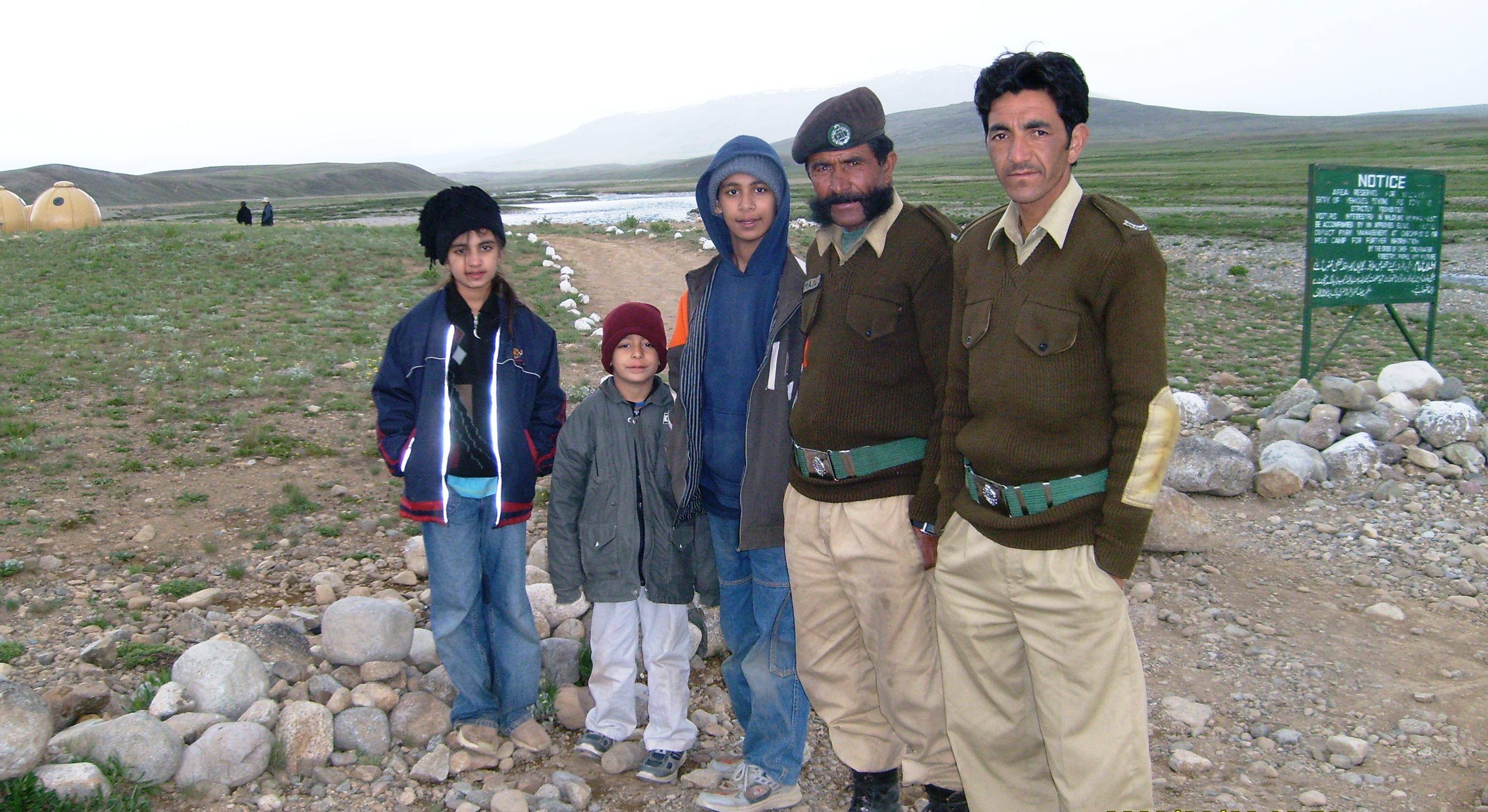
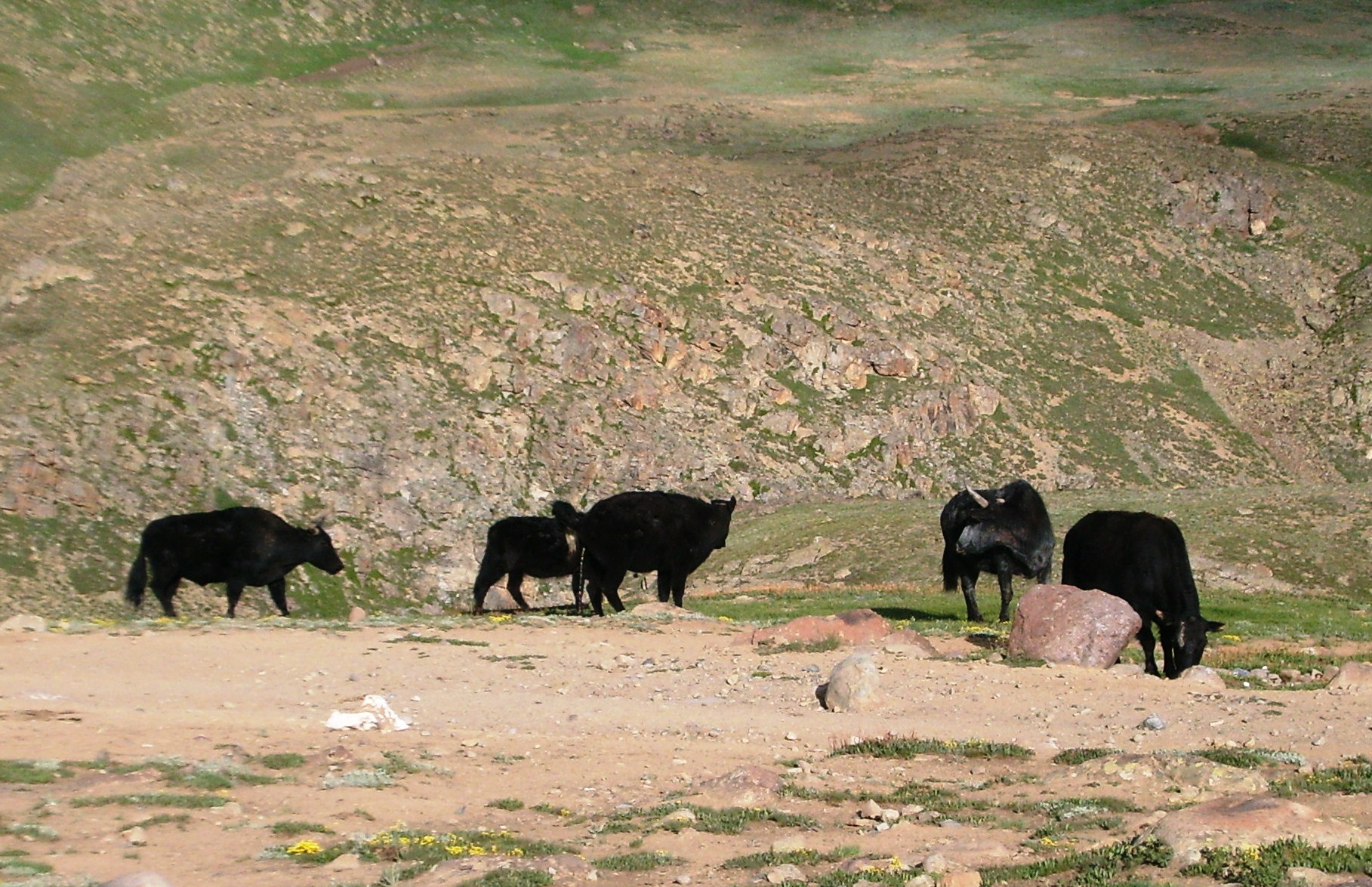
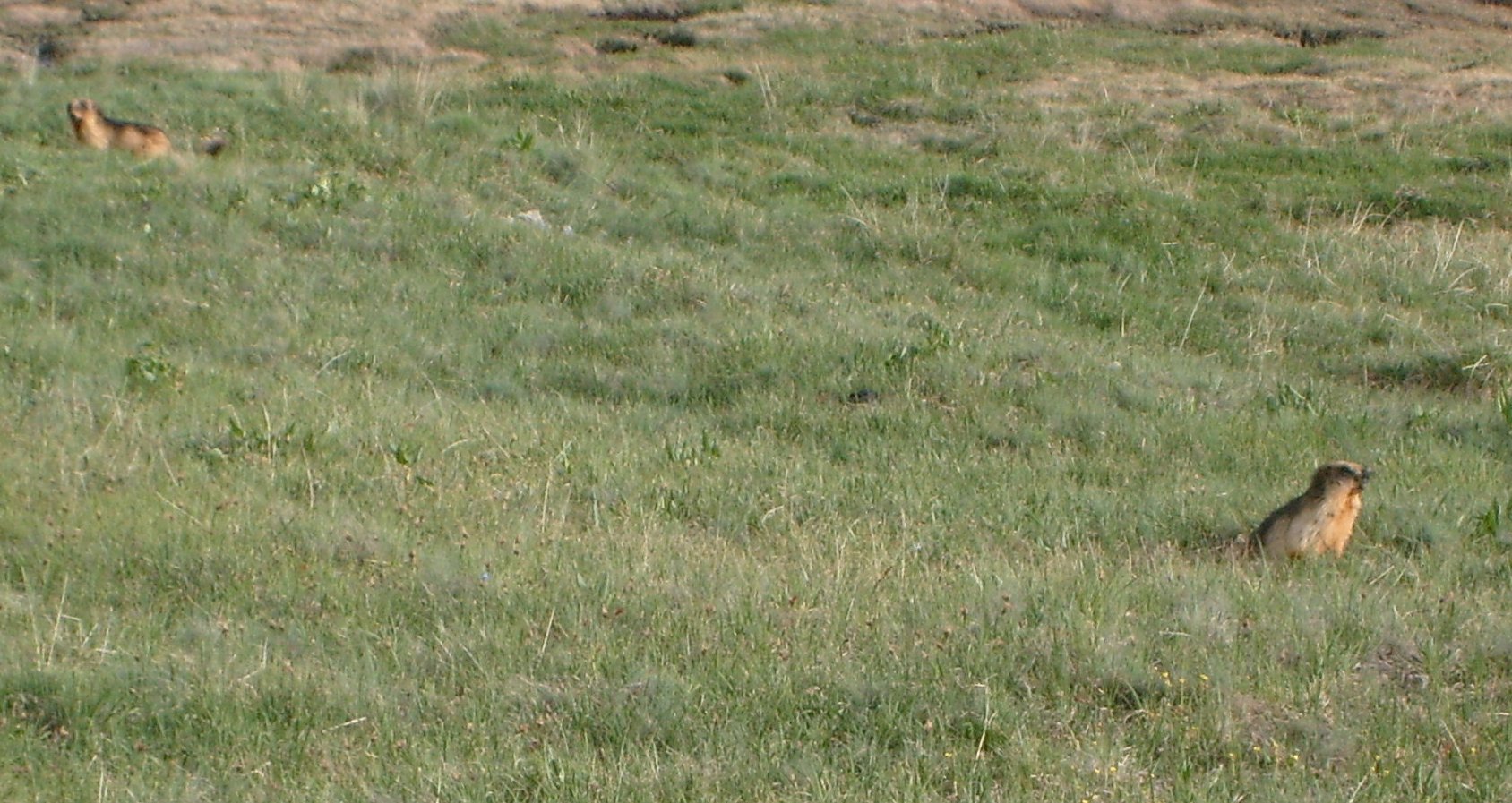
The hill was blazing green with brightly coloured small flowers strewn all over it. You could see snow covered peaks all around with streams of water running down from melting glaciers. The sunshine seemed to go further the more I tried to reach its inviting warmth. At last, completely out of breath because of the low oxygen content in the air and my climb, I collapsed the moment I reached the sunshine high up above. Basking in its warmth, my body seemed to thaw and gain energy. It is something I’ll always remember. Deosai plains have a range of wildlife and Maarkhors, Yaks and mormots are common. Indiscriminate hunting have made the brown bears and maarkhors endangered species, but the killing continues with help from those in the echelons of power.
By the time I reached our camp, the others were up and we had a hearty breakfast. Taking the forest guards, deployed there as guides we trekked further to see wild brown bears, an endangered species. The Deosai National Park is a sanctuary for them. We had seen bear foot marks and droppings around the river. We were told that brown bears come to drink water from the river and also to find any eatables campers had discarded. We did spot a group of brown bears, further along the trail.
Suddenly wind gathered momentum, black clouds came from nowhere and a hailstorm with hails the size of walnuts seemed to explode on our heads, but it all stopped just as quickly as it had started and a blazing sun came out.Originally we had planned to stay another night but the low oxygen in the air had given me a permanent headache. We decided to leave for Sakardu the same day, but that is another story.
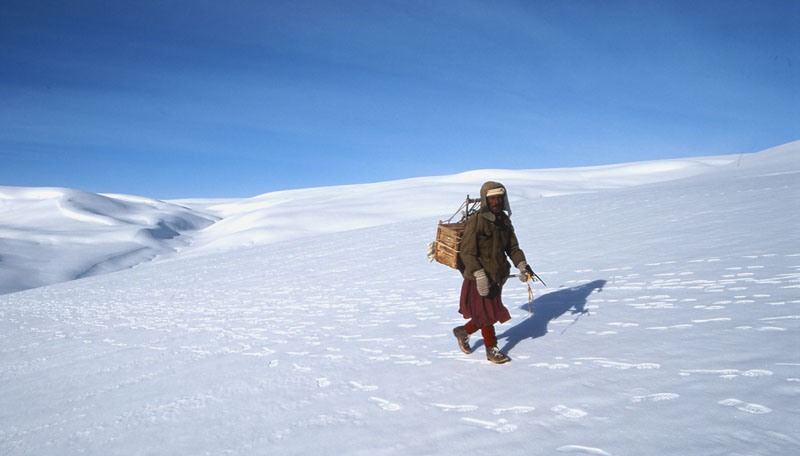
PS: I have intentionally made the post more visual, as a picture is worth a thousand words or more. We continued with our travels and spent time at Sakardu, Shigar and the Shangrila resort before heading back to Abbottabad. I may post an article on this if anyone asks me to, or if I feel like it.All pictures have been taken by me except the last one and the two of Gilgit Bazaar.

I am searching the words and I am clueless as how will I delineate. Should have in parts, but can not better than this. Great Malik Sb.
sir
i really loved reading ur post . great photography and a journey well beautifully explained…it was all my pleasure ….
regards
jalal
Loved it, sir.
And it couldn’t have been better timed for me. I am planning a trip to Gilgit this summer. Do write one for Sakardu soon.
Great Article sir ….detailed Photography added more shine to ur words ….
now that I have read ur article trip to north this summer is very much on the cards now …..
and Deosai is pure love ….only if my wife and daughter agree I opt to spend my whole life there along with them off course .
Murtaza Bhai….
Upon perusal of the splendid lines and details, duly eulogized with serene pixs brought good old memories. Fabulous expounding with the local tinge made your travelogue a piece to remember.
We approached Deosai Plains from the Garikot/ Chelum Choki end and decent from Sadpara lake to Skardu, back in 2004.
It is always a pleasure and informative to go through your writings.
Regards,
asim
very well, loved it shag, as they say its always the man behind the gun who matters.places were good but to me its all your company ++++++++++++ i mean many facets of u
It was a pleasure to read the article again after a few days, as I noticed the details you had added and which made your account more interesting. Your pictures are really worth a “thousand words” but it is the personal touch and experience which engages a reader, which is why your article is engrossing.
The photography, which has been very skillfully done, enables the reader to realize and appreciate the fact that what has been expounded on is beautiful beyond imagination and beckons us to see it too.
I am sure there are many who will benefit from these writings….. especially if they are planning to visit these areas.
So, keep sharing your experiences .
this text is very well written, you must be a really intelligent person, keep up the good work.http://www.detersive.com
cool post thanks!http://www.magiccampusbrasil.net
hey friend, i liked your article so much i even bookmarked it here. cheers.http://www.twietter.net
Excellent work Jamal Malik, no doubt it is Burn Hall speaking! Fortunately I have also had the Honour of serving here and I also got a chance to visit Fairy Meadows. My inlaws are from Gilgit and next time that you plan a visit, be my guest.I am presently in Islamabad
Best Regards,
Colonel (Retd ) Kaiser Hameed Khan